


Basement Crack Solutions: Fixing Basement Cracks Step-by-Step Guide

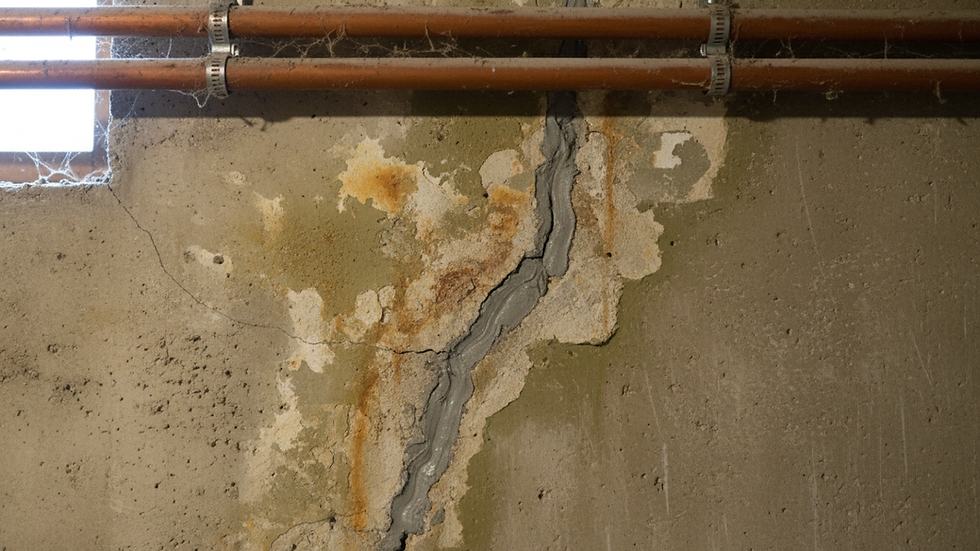
Basement cracks can be a common issue for many homeowners. They may seem minor at first, but if left unattended, they can lead to serious problems such as water intrusion, mold growth, and structural damage. Addressing these cracks early is essential to maintaining a dry and safe basement. In this guide, I will walk you through the process of fixing basement cracks with clear, practical steps. This will help you protect your home and avoid costly repairs down the line.
Understanding Basement Crack Solutions
Before diving into the repair process, it’s important to understand the types of cracks you might encounter and the best solutions for each. Basement cracks vary in size, shape, and cause. Some are superficial, while others indicate deeper structural issues.
Common basement crack solutions include:
Epoxy or polyurethane injections for sealing and strengthening cracks.
Hydraulic cement for quick patching of active leaks.
Concrete patching compounds for surface repairs.
Waterproof coatings to prevent moisture penetration.
Each solution serves a specific purpose. Choosing the right one depends on the crack’s characteristics and the underlying cause. For example, small hairline cracks can often be sealed with epoxy, while larger cracks or those with water seepage may require hydraulic cement or professional intervention.

Step-by-Step Guide to Fixing Basement Cracks
Fixing basement cracks involves several steps. I recommend following this methodical approach to ensure a durable repair.
Step 1: Inspect and Clean the Crack
Start by examining the crack closely. Use a flashlight to check for moisture or signs of active leaks. Clean the crack thoroughly by removing any loose debris, dirt, or old paint. A wire brush or vacuum can help with this.
Step 2: Prepare the Crack for Repair
Widen the crack slightly using a chisel and hammer to create a V-shaped groove. This allows the repair material to bond better. Be careful not to damage the surrounding wall.
Step 3: Choose the Right Repair Material
Select a repair product based on the crack type:
For dry cracks, use an epoxy or polyurethane injection kit.
For wet or leaking cracks, hydraulic cement is best.
For surface cracks, a concrete patching compound works well.
Step 4: Apply the Repair Material
Follow the manufacturer’s instructions carefully. For injection kits, insert the ports and inject the resin slowly. For hydraulic cement, mix and apply it quickly before it sets. Smooth the surface with a trowel.
Step 5: Allow the Repair to Cure
Let the repair material cure fully. This may take several hours to a few days depending on the product. Avoid disturbing the area during this time.
Step 6: Apply Waterproofing (Optional but Recommended)
Once the crack is repaired, consider applying a waterproof coating to the entire basement wall. This adds an extra layer of protection against moisture.

How do you tell if a crack is cosmetic or structural?
Not all basement cracks require the same level of concern. It’s important to distinguish between cosmetic cracks and those that indicate structural problems.
Cosmetic Cracks
Usually hairline or less than 1/8 inch wide.
Appear as surface shrinkage or minor settling.
Do not change size or shape over time.
Typically found in plaster or drywall finishes.
Structural Cracks
Wider than 1/4 inch or growing over time.
Horizontal, stair-step, or diagonal patterns.
Accompanied by other signs like bowing walls, sticking doors/windows, or water leaks.
May indicate foundation movement or soil pressure.
If you notice structural cracks, it’s wise to consult a professional for a thorough assessment. Ignoring these can lead to serious damage and costly repairs.
Tips for Preventing Basement Cracks
Prevention is always better than repair. Here are some practical tips to reduce the risk of basement cracks:
Maintain proper drainage around your home. Ensure gutters and downspouts direct water away from the foundation.
Keep soil moisture consistent by watering landscaping during dry spells.
Avoid planting large trees near the foundation to prevent root pressure.
Inspect your basement regularly for new cracks or signs of moisture.
Address plumbing leaks promptly to avoid water damage.
By following these steps, you can protect your basement and extend the life of your foundation.
When to Call a Professional
While many basement cracks can be repaired with DIY methods, some situations require expert help. Consider professional assistance if:
Cracks are large, growing, or accompanied by wall movement.
You notice water actively leaking through cracks.
There is significant bowing or bulging of basement walls.
You are unsure about the cause or severity of the cracks.
A professional can provide a detailed inspection and recommend appropriate solutions, including foundation repair or waterproofing services.
For reliable and effective basement crack repair, it’s important to choose a trusted company with experience in your area. This ensures your home stays dry and secure.
Final Thoughts on Basement Crack Solutions
Fixing basement cracks is a manageable task when approached step-by-step. By inspecting, cleaning, preparing, and applying the right repair materials, you can protect your basement from water damage and structural issues. Remember to monitor cracks over time and take preventive measures to avoid future problems.
If you encounter cracks that seem serious or if water intrusion persists, don’t hesitate to seek professional advice. Keeping your basement dry and stable is key to maintaining the overall health of your home.
Taking action early with proper basement crack solutions will give you peace of mind and safeguard your investment for years to come.


Comments