


Basement Leak Repairs: Fixing Basement Wall Leaks - A Comprehensive Guide

Basement leaks can cause serious damage to your home if left untreated. Water seeping through basement walls can lead to mold growth, structural damage, and costly repairs. Addressing these issues early is essential to protect your home and maintain a safe living environment. In this guide, I will walk you through the causes of basement wall leaks, how to identify them, and practical steps for effective basement leak repairs.
Understanding Basement Leak Repairs: Causes and Signs
Before diving into basement leak repairs, it is important to understand why basement walls leak. Most leaks occur due to water pressure from outside the foundation pushing moisture through cracks or porous materials. Common causes include:
Poor exterior drainage or clogged gutters
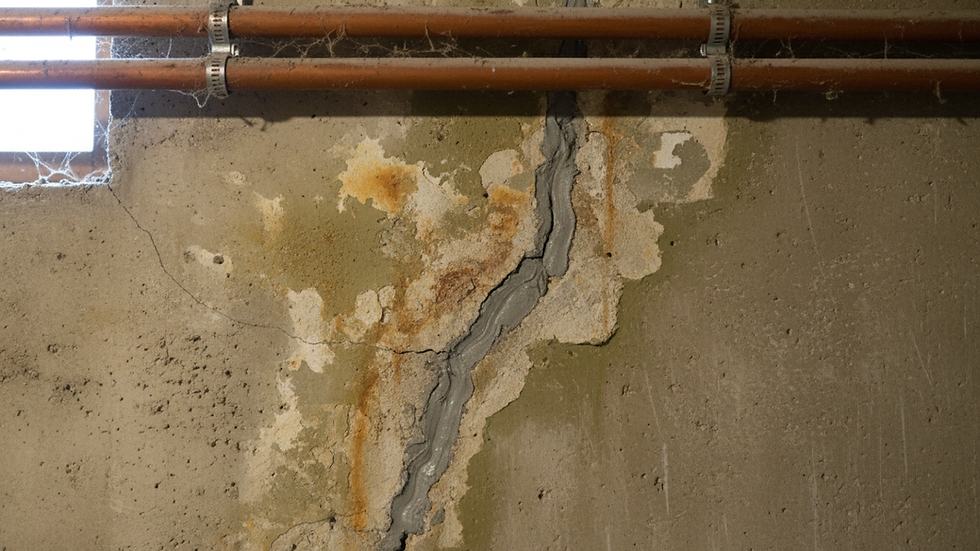
Cracks in foundation walls or floors
Hydrostatic pressure from groundwater buildup
Improper grading around the home
Faulty or missing waterproofing membranes
Signs that your basement walls are leaking include:
Damp or wet spots on walls or floors
Musty odors or visible mold growth
Efflorescence (white, powdery deposits) on walls
Peeling paint or wallpaper
Water stains or discoloration
Identifying these signs early can save you from more extensive damage. Regularly inspect your basement walls, especially after heavy rain or snowmelt.

Effective Basement Leak Repairs: Step-by-Step Solutions
When it comes to basement leak repairs, a systematic approach is best. Here are practical steps you can take to fix leaks and prevent future problems:
Clear Exterior Drainage
Ensure gutters and downspouts are clean and direct water at least 5 feet away from the foundation. This reduces water pooling near basement walls.
Improve Grading
The soil around your home should slope away from the foundation. A slope of 6 inches over 10 feet is ideal to divert water.
Seal Cracks and Joints
Use hydraulic cement or epoxy injections to seal visible cracks in basement walls and floors. These materials expand and create a watertight seal.
Apply Waterproof Coatings
Interior waterproofing paints or sealants can help reduce moisture penetration. These are best used as a secondary measure after addressing exterior issues.
Install a Drainage System
For persistent leaks, consider installing an interior drainage system with a sump pump. This system collects water entering the basement and pumps it outside.
Exterior Waterproofing
Excavating around the foundation to apply waterproof membranes and drainage boards is a more extensive but highly effective solution.
By following these steps, you can significantly reduce basement leaks and protect your home’s foundation.
How do I stop water seeping in my basement walls?
Stopping water from seeping into basement walls requires both immediate and long-term actions. Here are some targeted recommendations:
Inspect and Repair Gutters and Downspouts
Make sure they are free of debris and properly connected. Downspouts should discharge water away from the foundation.
Check for Foundation Cracks
Small cracks can be sealed with hydraulic cement. Larger cracks may require professional assessment and repair.
Use Interior Sealants
Apply waterproof sealants on the inside walls to create a moisture barrier. This is especially useful for minor seepage.
Install a Sump Pump
If water accumulates frequently, a sump pump can remove water before it causes damage.
Consider Exterior Waterproofing
If water seepage persists, exterior waterproofing is the most reliable method. This involves digging around the foundation and applying waterproof membranes.
Maintain Proper Landscaping
Avoid planting water-loving plants near the foundation and keep soil graded away from the house.
Taking these steps will help you stop water from seeping into your basement walls and maintain a dry, safe space.

When to Call a Professional for Basement Leak Repairs
While some basement leak repairs can be handled by homeowners, certain situations require professional expertise. You should consider calling a specialist if:
Water is entering through large cracks or multiple points
You notice structural damage such as bowing walls or foundation shifts
Mold growth is extensive or persistent
Interior waterproofing and drainage systems are needed
You want a permanent exterior waterproofing solution
Professionals have the tools and experience to diagnose the root cause of leaks and provide long-lasting repairs. They can also offer warranties and peace of mind.
Maintaining a Dry Basement: Tips for Long-Term Protection
After completing basement leak repairs, ongoing maintenance is key to preventing future leaks. Here are some tips to keep your basement dry:
Regularly clean gutters and downspouts
Inspect basement walls for new cracks or moisture
Maintain proper grading around your home
Test sump pumps annually to ensure they work properly
Avoid excessive watering near the foundation
Use a dehumidifier in the basement during humid months
By staying proactive, you can protect your home from water damage and costly repairs.
If you are looking for reliable and effective solutions for fixing basement wall leaks, Home G Group Inc. is here to help. We specialize in basement waterproofing and foundation repair for homeowners in the Chicago area. Our goal is to keep your home dry, safe, and protected for years to come. Contact us today for a consultation and take the first step toward a leak-free basement.


Comments