


Basement Seepage Repair: Practical Tips for a Dry Home

Basement seepage is a common problem that can cause significant damage if left untreated. Water entering your basement can lead to mold growth, structural damage, and a damp, unpleasant environment. Addressing basement seepage early is essential to protect your home and maintain its value. In this post, I will share practical tips on basement seepage repair, helping you understand the causes and solutions to keep your basement dry and secure.
Understanding Basement Seepage Repair
Basement seepage repair involves identifying the source of water intrusion and applying effective methods to stop it. Water can enter basements through cracks, porous walls, or improper drainage around the foundation. Repairing seepage requires a combination of exterior and interior solutions tailored to your home's specific needs.
Here are some common basement seepage repair methods:
Exterior waterproofing: Applying sealants or membranes to the outside of foundation walls to prevent water penetration.
Interior drainage systems: Installing drainage channels and sump pumps inside the basement to manage water that enters.
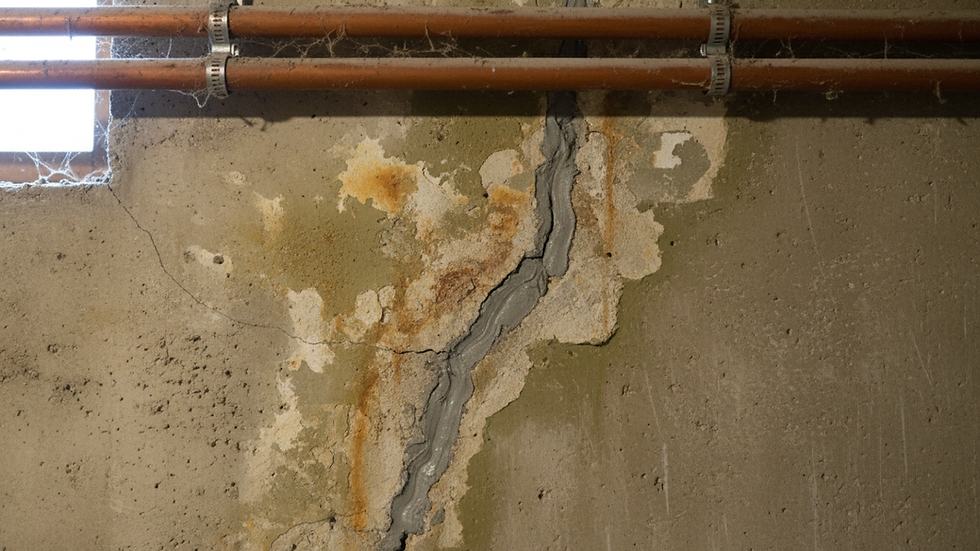
Crack repair: Sealing cracks in walls and floors with epoxy or polyurethane injections.
Grading and drainage improvements: Ensuring the ground slopes away from the foundation and gutters direct water far from the house.
Each method plays a role in a comprehensive basement seepage repair plan. Often, combining these approaches yields the best results.

How am I getting water in my basement when my cement walks aren't cracked?
It is a common question to wonder how water seeps into a basement when the cement walks or sidewalks around the house appear intact. The answer lies in how water moves through soil and foundation materials.
Even if your cement walks are not cracked, water can still find its way through:
Porous concrete: Cement can absorb water and allow it to seep through microscopic pores.
Expansion joints: Gaps between concrete slabs can let water pass through.
Soil saturation: Heavy rain or poor drainage can saturate soil around your foundation, pushing water against basement walls.
Hydrostatic pressure: Water pressure builds up in the soil and forces moisture through tiny cracks or porous materials.
Understanding these factors helps explain why basement seepage can occur without visible damage to cement walks. Addressing soil drainage and foundation waterproofing is critical to stopping water intrusion.

Practical Steps to Fix Basement Seepage
Fixing basement seepage requires a systematic approach. Here are practical steps you can take to address the problem effectively:
Inspect your basement and foundation: Look for visible cracks, damp spots, or mold growth. Check the walls, floors, and corners carefully.
Improve exterior drainage: Make sure gutters and downspouts direct water at least 5 feet away from your foundation. Adjust the grading so the ground slopes away from the house.
Seal cracks and joints: Use hydraulic cement or epoxy injections to seal any cracks in the foundation walls or floors.
Apply waterproof coatings: Interior waterproofing paints or sealants can help reduce moisture penetration.
Install a sump pump: If water collects in your basement, a sump pump can remove it quickly and prevent flooding.
Consider exterior waterproofing: For severe seepage, excavating around the foundation and applying waterproof membranes may be necessary.
Maintain your home’s drainage system: Regularly clean gutters and check for blockages to ensure water flows away from your home.
By following these steps, you can significantly reduce basement seepage and protect your home from water damage.
Preventing Future Basement Seepage
Prevention is key to avoiding costly repairs. Here are some tips to keep your basement dry long-term:
Regularly inspect your foundation: Early detection of cracks or moisture can prevent bigger problems.
Maintain gutters and downspouts: Clean them at least twice a year to avoid clogs.
Keep soil grading in check: Ensure the soil slopes away from your foundation after landscaping or construction work.
Install window well covers: These prevent rainwater from pooling near basement windows.
Use dehumidifiers: Controlling basement humidity helps prevent mold and mildew growth.
Monitor plumbing: Fix leaks promptly to avoid water accumulation near the foundation.
Taking these preventive measures will help you avoid basement seepage and maintain a healthy, dry home environment.
When to Call a Professional for Basement Seepage Repair
While some basement seepage issues can be handled with DIY methods, others require professional expertise. Consider calling a specialist if:
Water intrusion is persistent or worsening despite your efforts.
You notice structural damage such as bowing walls or large cracks.
Mold growth is extensive or recurring.
You want a comprehensive waterproofing solution that includes exterior excavation.
You need a sump pump installation or repair.
Professionals have the tools and experience to diagnose the root cause of seepage and apply effective repairs. They can also provide warranties and peace of mind that your basement will stay dry.
If you want to learn more about how to fix basement seepage, visiting a trusted local company’s website is a good start.
Taking Action for a Dry Basement
Basement seepage repair is essential for protecting your home’s foundation and indoor air quality. By understanding the causes and applying practical solutions, you can stop water intrusion and maintain a dry, safe basement.
Start by inspecting your basement and improving drainage around your home. Seal cracks and consider waterproofing options that fit your needs. Don’t hesitate to seek professional help for complex problems.
A dry basement means a healthier home and peace of mind. Taking action today will save you time and money in the future.


I recently came across this informative article on basement waterproofing and found it extremely helpful. Water damage can cause serious structural issues and lead to mold growth if not addressed promptly. Proper basement waterproofing is a smart investment that helps protect your home's foundation, improves indoor air quality, and increases property value. I especially appreciated the practical tips and insights shared in this post. Thanks for providing such valuable information. Looking forward to reading more content on basement waterproofing and home maintenance solutions in the future!