


Chicago Basement Waterproofing: How to Waterproof Your Basement in Chicago

Updated: Feb 27
Water in the basement is a common problem for many homeowners in Chicago. The city’s climate, with its heavy rains and fluctuating temperatures, can cause water to seep into basements. This leads to dampness, mold, and even structural damage. I want to share practical steps on how to waterproof your basement in Chicago. These steps will help you protect your home and maintain a dry, safe living space.
Understanding Chicago Basement Waterproofing
Waterproofing a basement in Chicago requires understanding the unique challenges posed by the local environment. The soil here can hold a lot of moisture, and the city’s aging infrastructure sometimes struggles to handle heavy rainfall. This means water can easily find its way into your basement through cracks, porous walls, or faulty drainage systems.
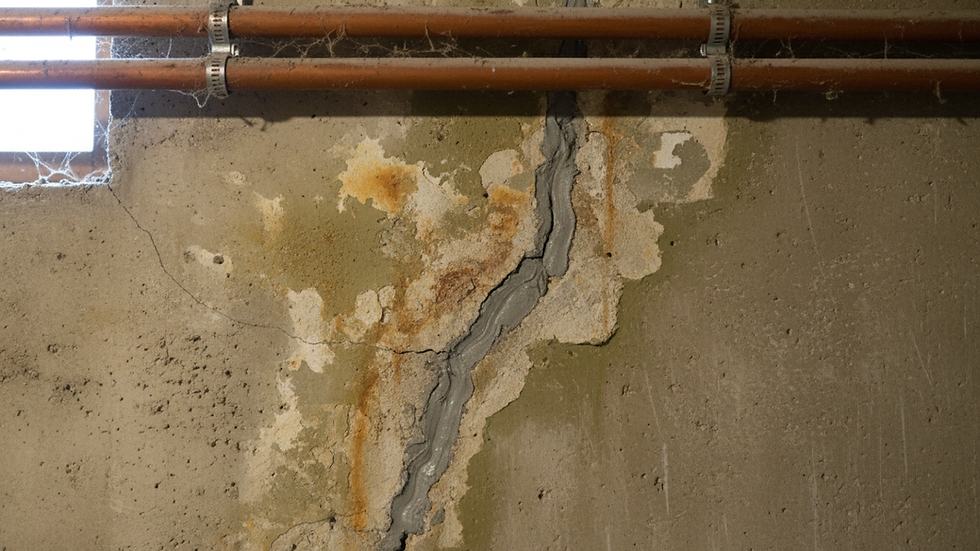
To start, it’s important to inspect your basement thoroughly. Look for signs of water damage such as discoloration, peeling paint, or musty odors. These signs indicate that water is entering your basement and that waterproofing is necessary.
There are two main types of waterproofing methods: interior and exterior. Exterior waterproofing involves digging around the foundation and applying waterproof coatings or membranes. Interior waterproofing focuses on sealing cracks and installing drainage systems inside the basement.
Both methods have their benefits. Exterior waterproofing is more comprehensive but also more expensive and disruptive. Interior waterproofing is less invasive and can be effective for minor leaks or dampness.

Effective Steps to Waterproof Your Basement in Chicago
Waterproofing your basement is a process that requires attention to detail and the right materials. Here are some practical steps you can take:
Clean and Inspect the Basement Walls and Floor
Remove any dirt, mold, or loose paint. Use a wire brush to clean the surface. This prepares the walls for sealing.
Seal Cracks and Gaps
Use hydraulic cement or epoxy to fill cracks in the walls and floor. These materials expand as they dry, creating a tight seal against water.
Apply Waterproof Coatings
After sealing cracks, apply a waterproof masonry paint or sealant. These coatings create a barrier that prevents water from penetrating the walls.
Install a Sump Pump
A sump pump collects water that enters the basement and pumps it outside. This is especially useful in areas with high water tables or frequent flooding.
Improve Exterior Drainage
Make sure gutters and downspouts direct water away from your home’s foundation. Extend downspouts at least 5 feet from the house.
Consider Interior Drainage Systems
Interior drainage systems, such as French drains, collect water that seeps in and channel it to a sump pump.
Maintain Your Basement Regularly
Check for new cracks or signs of moisture. Clean gutters and downspouts regularly to prevent water buildup.
These steps can significantly reduce the risk of water damage in your basement. If you are unsure about any part of the process, consulting a professional is a wise choice.

What's the Average Cost of Waterproofing a Basement?
The cost of waterproofing a basement in Chicago varies depending on the size of the basement, the extent of water damage, and the methods used. On average, homeowners can expect to pay between $3,000 and $10,000 for a complete waterproofing job.
Here is a breakdown of typical costs:
Sealing cracks and applying waterproof coatings: $500 - $2,000
Installing a sump pump: $1,000 - $3,000
Exterior waterproofing (excavation and membrane application): $5,000 - $10,000
Interior drainage systems: $3,000 - $7,000
Keep in mind that these prices can vary based on the contractor and the specific conditions of your home. Investing in quality waterproofing now can save you thousands in repairs later.
Why Professional Basement Waterproofing Matters in Chicago
While some homeowners may attempt DIY waterproofing, professional services offer several advantages. Professionals have the experience and tools to identify hidden problems and apply the most effective solutions.
Chicago’s climate and soil conditions require specialized knowledge. A professional company can assess your home’s unique needs and recommend the best waterproofing system. They also provide warranties and ongoing support, giving you peace of mind.
If you want reliable results, it’s best to work with a trusted company that specializes in basement waterproofing in Chicago. They can handle everything from inspection to installation, ensuring your basement stays dry year-round.
For those looking for expert help, basement waterproofing chicago offers comprehensive services tailored to local conditions.
Maintaining a Dry Basement Long-Term
Waterproofing is not a one-time fix. To keep your basement dry, regular maintenance is essential. Here are some tips to help you maintain your waterproofing system:
Inspect your basement every season for new cracks or signs of moisture.
Keep gutters and downspouts clean and free of debris.
Check the grading around your home to ensure water flows away from the foundation.
Test your sump pump periodically to make sure it is working properly.
Use a dehumidifier in the basement during humid months to reduce moisture levels.
By staying proactive, you can prevent water problems before they start. This protects your home’s foundation and keeps your living space comfortable and safe.
Waterproofing your basement in Chicago is a smart investment. It protects your home from water damage and adds value to your property. By following these steps and considering professional help, you can ensure your basement remains dry and secure. Taking action now will save you time, money, and stress in the future.


Comments