


Comprehensive Guide to Repairing Concrete Foundations

Concrete foundations are the backbone of any home. They provide stability and support for the entire structure. When these foundations develop cracks or other issues, it is crucial to address them promptly. Repairing concrete foundations is not just about fixing visible damage; it is about protecting your home’s integrity and value. In this post, I will walk you through everything you need to know about concrete foundation repair, including common problems, repair methods, costs, and how to choose the right service.
Understanding the Importance of Repairing Concrete Foundations
Concrete foundations can suffer damage from various factors such as soil movement, water infiltration, and natural wear over time. Ignoring these problems can lead to severe structural issues, including uneven floors, wall cracks, and even potential collapse in extreme cases.
Repairing concrete foundations involves identifying the root cause of the damage and applying the appropriate repair techniques. This process helps restore the foundation’s strength and prevents further deterioration. It also safeguards your home from moisture problems, which can lead to mold growth and other health hazards.
Common Signs That Indicate Foundation Problems
Cracks in walls, especially near windows and doors
Doors and windows that stick or do not close properly
Uneven or sloping floors
Gaps between walls and ceilings or floors
Water seepage in the basement or crawl space
If you notice any of these signs, it is essential to have a professional inspection to determine the extent of the damage and the best repair approach.

Effective Techniques for Repairing Concrete Foundations
There are several methods used to repair concrete foundations, depending on the type and severity of the damage. Here are some of the most common techniques:
1. Crack Injection
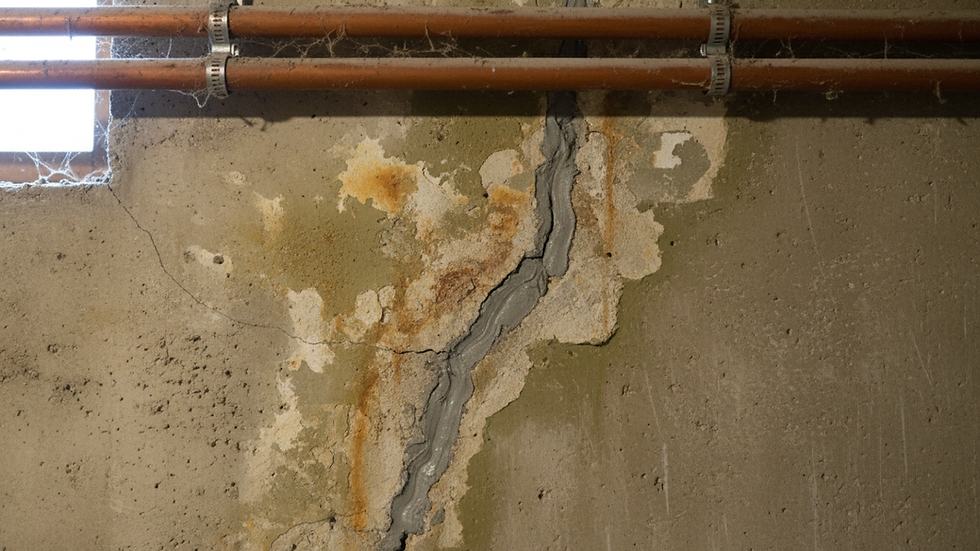
This method is used for repairing small to medium-sized cracks. It involves injecting epoxy or polyurethane resin into the cracks to seal them and restore the foundation’s structural integrity. Epoxy injection is ideal for structural repairs, while polyurethane is better for sealing leaks.
2. Piering and Underpinning
When a foundation has settled or shifted, piering or underpinning can stabilize it. This process involves installing steel or concrete piers beneath the foundation to lift and support it. It is a long-lasting solution for significant foundation movement.
3. Slabjacking
Slabjacking, also known as mudjacking, is a technique used to raise sunken concrete slabs. A grout mixture is pumped under the slab to lift it back to its original position. This method is often used for driveways, patios, and basement floors.
4. Waterproofing and Drainage Solutions
Water damage is a common cause of foundation problems. Installing proper drainage systems, such as French drains or sump pumps, and applying waterproof coatings can prevent water from damaging the foundation.
Each repair method requires professional assessment to ensure it is the right fit for your home’s specific needs.

Is Foundation Repair Worth the Cost?
Many homeowners hesitate when faced with the cost of foundation repair. However, investing in repairing concrete foundations is often worth every dollar. Here’s why:
Protects Property Value: A damaged foundation can significantly reduce your home’s market value. Repairing it maintains or even increases your property’s worth.
Prevents Further Damage: Early repairs stop minor issues from becoming major, more expensive problems.
Ensures Safety: A stable foundation keeps your home safe for you and your family.
Avoids Costly Repairs Later: Ignoring foundation problems can lead to damage in other parts of the home, such as walls, floors, and plumbing.
While the upfront cost may seem high, the long-term benefits and peace of mind make foundation repair a smart investment.
How to Choose the Right Concrete Foundation Repair Service
Selecting a reliable and experienced foundation repair company is crucial. Here are some tips to help you make the right choice:
1. Look for Local Expertise
Choose a company familiar with the soil and weather conditions in your area. For example, if you live in Chicago, a company specializing in concrete foundation repair chicago will understand the unique challenges posed by the local environment.
2. Check Credentials and Reviews
Verify that the company is licensed, insured, and has positive customer reviews. This information can give you confidence in their professionalism and quality of work.
3. Request a Detailed Inspection and Estimate
A trustworthy company will provide a thorough inspection and a clear, written estimate. They should explain the repair process and answer all your questions.
4. Ask About Warranty and Follow-Up Services
A reputable company stands behind its work with warranties and offers follow-up inspections to ensure the repair’s effectiveness.
5. Compare Multiple Quotes
Get estimates from several companies to compare prices and services. Avoid choosing solely based on the lowest price; quality and experience matter most.
Preventive Measures to Protect Your Foundation
Repairing concrete foundations is essential, but preventing damage in the first place is even better. Here are some practical steps you can take:
Maintain Proper Drainage: Ensure gutters and downspouts direct water away from your foundation.
Control Landscaping: Avoid planting large trees or shrubs too close to the foundation, as roots can cause damage.
Monitor Soil Moisture: Keep soil around your home evenly moist to prevent excessive shrinking or swelling.
Inspect Regularly: Check your foundation and basement for signs of cracks or water intrusion.
Seal Cracks Early: Address small cracks as soon as you notice them to prevent them from worsening.
By following these tips, you can extend the life of your foundation and reduce the need for costly repairs.
Final Thoughts on Maintaining a Strong Foundation
Repairing concrete foundations is a critical task that protects your home’s structure and value. Understanding the signs of foundation problems, knowing the repair options, and choosing the right service provider are key steps in this process. Remember, timely action can save you money and stress in the long run.
If you are dealing with foundation issues, consider reaching out to a trusted local expert who can provide a thorough inspection and reliable repair solutions. Taking care of your foundation today ensures a safe and stable home for years to come.


Comments