


Effective Solutions to Stop Basement Water Leaks

Basement water leaks are a common problem that can cause significant damage if left untreated. I have seen many homeowners struggle with damp walls, mold growth, and structural issues caused by water intrusion. Addressing these leaks promptly and effectively is crucial to maintaining a safe and dry home environment. In this post, I will share practical solutions to stop basement water leaks and keep your basement dry year-round.
How to Stop Basement Water Leaks: Key Strategies
Stopping basement water leaks requires a combination of preventive measures and targeted repairs. The first step is to identify the source of the leak. Water can enter through cracks in the foundation walls, gaps around windows, or even through the floor. Once you know where the water is coming from, you can apply the right solution.
Here are some effective strategies to stop basement water leaks:
Improve Exterior Drainage: Ensure that gutters and downspouts direct water at least 5 feet away from your foundation. Proper grading around your home should slope away from the basement walls to prevent water pooling.
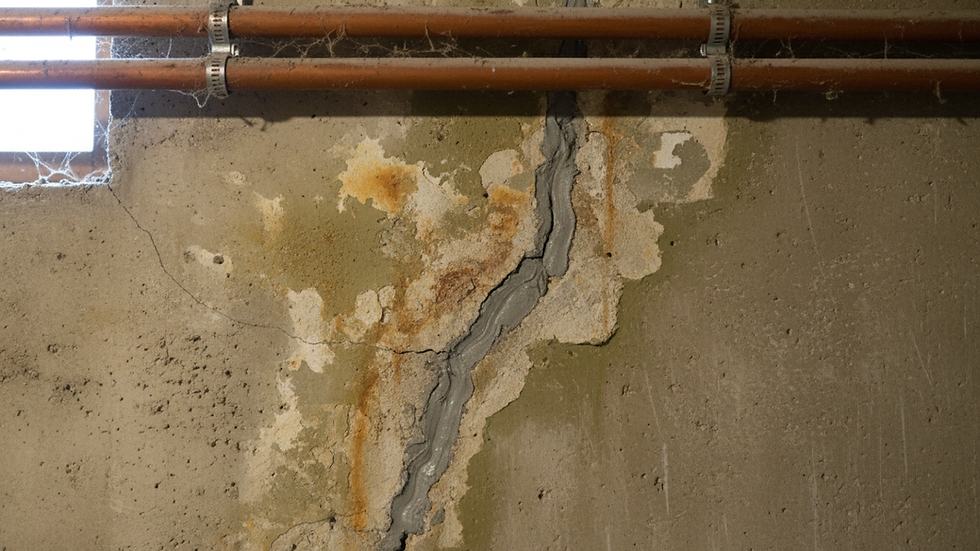
Seal Cracks and Gaps: Use hydraulic cement or epoxy injections to seal cracks in the foundation walls. These materials expand and create a watertight seal.
Install a Sump Pump: A sump pump collects water that accumulates in a basin and pumps it away from the home. This is especially useful in areas with high water tables or heavy rainfall.
Apply Waterproof Coatings: Interior waterproofing paints and sealants can create a barrier on basement walls to reduce moisture penetration.
Use Interior Drainage Systems: Installing a French drain or interior perimeter drain can channel water to a sump pump, preventing it from pooling inside the basement.
Each of these methods plays a role in a comprehensive approach to basement leak repair. Combining exterior and interior solutions often yields the best results.

Why It’s Important to Stop Basement Water Leaks Early
Ignoring basement water leaks can lead to serious problems. Water intrusion promotes mold growth, which can affect indoor air quality and pose health risks. It also damages drywall, flooring, and stored belongings. Over time, persistent moisture can weaken the foundation, leading to costly structural repairs.
Stopping basement water leaks early helps you avoid these issues. It also preserves the value of your home and provides peace of mind. When you take action quickly, you reduce the risk of extensive damage and expensive repairs.
What is the Best Way to Fix a Leaky Basement?
The best way to fix a leaky basement depends on the specific cause of the leak. In my experience, a thorough inspection is essential before deciding on a repair method. Here are some common approaches based on the source of the leak:
Cracks in Foundation Walls
For visible cracks, hydraulic cement or epoxy injections are effective. These materials bond with the concrete and prevent water from seeping through.
Water Seeping Through Walls
Exterior waterproofing membranes can be applied to the outside of the foundation. This requires excavation but provides a long-term solution.
Water Entering Through Floor Joints
Interior drainage systems combined with a sump pump are ideal for managing water that enters through the floor.
Condensation and Humidity Issues
Sometimes, what appears to be a leak is actually condensation. Installing a dehumidifier and improving ventilation can solve this problem.
Window Wells and Gaps
Ensure window wells have proper drainage and are covered to prevent water accumulation.
In many cases, a combination of these methods is necessary. For example, sealing cracks and improving exterior drainage together can significantly reduce water intrusion.

Practical Tips for Maintaining a Dry Basement
Once you have addressed existing leaks, maintaining a dry basement is key to preventing future problems. Here are some practical tips:
Regularly Clean Gutters and Downspouts
Blocked gutters cause water to overflow near the foundation. Clean them at least twice a year.
Check Grading Around Your Home
Make sure the soil slopes away from the foundation. Add soil if necessary to maintain a 6-inch drop over 10 feet.
Inspect Basement Walls and Floors
Look for new cracks or signs of moisture. Early detection allows for quick repairs.
Use a Dehumidifier
Basements tend to be humid. A dehumidifier helps control moisture levels and prevents mold.
Install Window Well Covers
Covers keep rainwater and debris out of window wells, reducing water buildup.
Maintain Sump Pump Functionality
Test your sump pump regularly and clean the pit to ensure it works when needed.
By following these tips, you can reduce the risk of leaks and keep your basement dry and comfortable.
When to Call a Professional for Basement Leak Repair
While some basement leak repairs can be done as DIY projects, certain situations require professional expertise. If you notice large cracks, persistent flooding, or signs of structural damage, it is best to consult a specialist. Professionals have the tools and knowledge to diagnose complex issues and provide lasting solutions.
For example, if water is entering through the foundation walls despite your efforts, a professional waterproofing company can install exterior membranes or advanced drainage systems. They can also assess the foundation’s integrity and recommend foundation repair if needed.
If you want to learn more about reliable basement leak repair, consider reaching out to a trusted local company. They can provide a thorough inspection and customized plan to protect your home.
By understanding the causes of basement water leaks and applying effective solutions, you can protect your home from water damage. Taking proactive steps to stop basement water leaks will save you time, money, and stress in the long run. Remember, a dry basement is a healthy basement.


Comments