


Effective Techniques for Repair Foundation Leaks

Foundation leaks can cause serious damage to your home if left untreated. Water intrusion weakens the structure, promotes mold growth, and can lead to costly repairs. Addressing leaks early is essential to protect your investment and maintain a safe living environment. In this post, I will share effective techniques for repair foundation leaks that you can apply or discuss with a professional to keep your home dry and secure.
Identifying Signs That You Need to Repair Foundation Leaks
Before diving into repair methods, it is important to recognize the signs that indicate your foundation may be leaking. Early detection helps prevent further damage and reduces repair costs. Here are some common indicators:
Water stains or damp spots on basement walls or floors.
Musty odors caused by mold or mildew growth.
Cracks in walls or floors, especially near the foundation.
Efflorescence, a white powdery substance on masonry surfaces.
Pooling water near the foundation after rain.
Warped or swollen wood near the base of walls.
If you notice any of these signs, it is time to take action. Repairing foundation leaks promptly will help maintain the structural integrity of your home.
Practical Steps to Repair Foundation Leaks
Repairing foundation leaks involves a combination of exterior and interior solutions. The goal is to stop water from entering and to redirect it away from your foundation. Here are some effective techniques:
1. Improve Exterior Drainage
Water pooling near your foundation is a major cause of leaks. To fix this:
Grade the soil so it slopes away from your home by at least 6 inches over 10 feet.
Clean and maintain gutters and downspouts to ensure water flows away from the foundation.
Extend downspouts with splash blocks or pipes to direct water at least 5 feet away.
2. Seal Cracks and Gaps
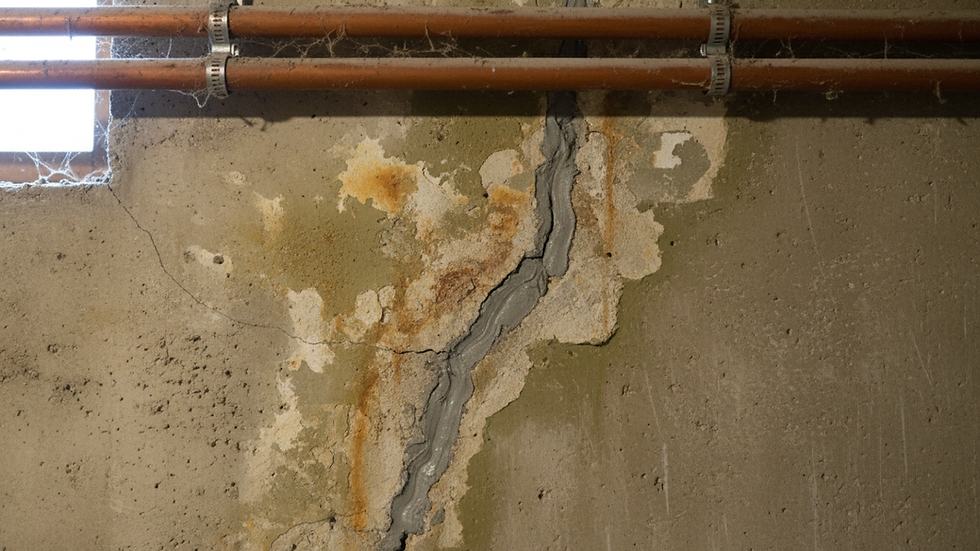
Small cracks can allow water to seep in. Use hydraulic cement or epoxy injections to seal these cracks. These materials expand as they cure, creating a watertight seal.
3. Apply Waterproof Coatings
Exterior foundation walls can be coated with waterproof membranes or sealants. These products create a barrier that prevents water penetration.
4. Install a French Drain
A French drain is a trench filled with gravel and a perforated pipe that redirects water away from the foundation. This is especially useful in areas with poor drainage or high water tables.
5. Use Interior Drainage Systems
If exterior solutions are not enough, interior drainage systems like sump pumps and interior drain tiles can help manage water that enters the basement.

How do you fix a leak in your foundation?
Fixing a leak in your foundation requires a systematic approach. Here is a step-by-step guide:
Locate the source of the leak. Check for cracks, gaps, or areas where water is entering.
Clean the affected area. Remove dirt, debris, and loose material to ensure proper adhesion of repair materials.
Seal cracks and holes. Use hydraulic cement for active leaks or epoxy for dry cracks.
Apply waterproof coatings. Cover the repaired area with a waterproof sealant to prevent future leaks.
Improve drainage around the foundation. Adjust grading, clean gutters, and install drainage systems if necessary.
Monitor the area. After repairs, keep an eye on the area during rain to ensure the leak is fixed.
If the leak is severe or persistent, consulting a professional is recommended to assess structural damage and provide advanced solutions.
Preventive Measures to Avoid Future Foundation Leaks
Prevention is always better than repair. Here are some steps to minimize the risk of foundation leaks:
Maintain proper landscaping. Avoid planting trees or shrubs too close to the foundation as roots can cause cracks.
Regularly inspect your foundation. Look for new cracks or signs of water intrusion.
Keep gutters and downspouts clean. Blocked gutters can cause water overflow near the foundation.
Install a vapor barrier in crawl spaces to reduce moisture.
Control indoor humidity with dehumidifiers to prevent condensation on basement walls.
By following these preventive measures, you can protect your home from costly foundation repairs.

When to Call a Professional for Foundation Leak Repair
While some repairs can be done by homeowners, certain situations require professional expertise:
Large or structural cracks in the foundation.
Persistent water intrusion despite DIY repairs.
Signs of foundation shifting or settling.
Extensive mold growth or water damage.
Need for interior drainage system installation.
Professionals have the tools and experience to diagnose the problem accurately and provide long-lasting solutions. They can also ensure repairs comply with local building codes and standards.
If you want to learn more about foundation leak repair, consider reaching out to a trusted company that specializes in basement waterproofing and foundation services.
Maintaining a Dry and Secure Home Foundation
Repairing foundation leaks is essential to protect your home’s structure and your family’s health. By identifying leaks early, applying effective repair techniques, and taking preventive measures, you can maintain a dry and secure foundation. Regular inspections and maintenance will help you avoid costly repairs in the future.
Remember, a well-maintained foundation is the key to a safe and comfortable home. Take action today to ensure your foundation remains strong and leak-free.


Comments