


Effective Yard Drainage Solutions for Your Property: Mastering Yard Water Management
Managing water around your home is essential to protect your property and maintain a healthy yard. Proper yard water management prevents water from pooling, reduces soil erosion, and protects your foundation from damage. In this post, I will share practical, effective yard drainage solutions tailored for homeowners in the Chicago area. These methods will help you keep your yard dry and your home safe.
Understanding Yard Water Management
Yard water management involves controlling the flow and accumulation of water on your property. Chicago’s climate, with its mix of heavy rains and snowmelt, makes it especially important to have a solid plan for managing water runoff. Without proper management, water can collect near your foundation, leading to basement leaks and structural issues.
Effective yard water management starts with assessing your property’s natural slope and drainage patterns. Water should flow away from your home, not toward it. You can improve this by grading your yard so that the soil slopes gently away from your foundation. A slope of about 2% (or a drop of 2 feet over 100 feet) is ideal.
Other key components of yard water management include installing drainage systems such as French drains, surface drains, and downspout extensions. These systems help redirect water to safe areas like storm drains or rain gardens.

Common Yard Drainage Problems and How to Identify Them
Before implementing solutions, it’s important to recognize common yard drainage problems. Here are some signs to watch for:
Pooling Water: Standing water after rain indicates poor drainage.
Soil Erosion: Washed away soil or exposed roots show water is flowing too forcefully.
Basement Moisture: Dampness or water seepage in your basement signals water is not being directed away.
Soggy Lawn: Constantly wet grass or muddy patches suggest water is not draining properly.
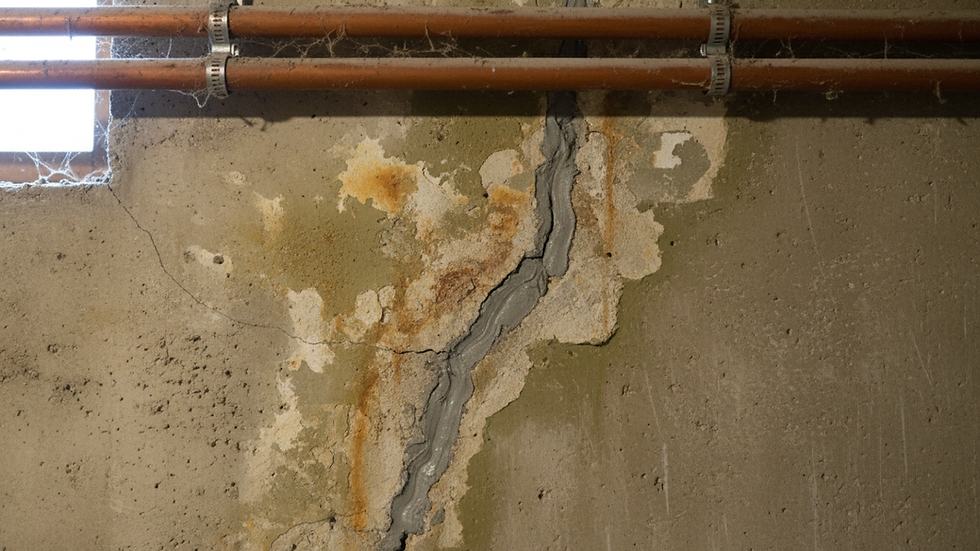
Foundation Cracks: Water pressure can cause cracks in your home’s foundation.
Identifying these issues early allows you to take action before damage worsens. For example, if you notice pooling water near your home, you might need to install a drainage system or regrade the soil.
How do I properly drain my yard?
Properly draining your yard involves a combination of grading, drainage systems, and maintenance. Here’s a step-by-step approach:
Evaluate Your Yard’s Slope: Use a level or hire a professional to check if your yard slopes away from your home.
Regrade if Necessary: Add soil to low spots and create a gentle slope away from your foundation.
Install Drainage Solutions:
French Drains: These are trenches filled with gravel and a perforated pipe that redirect water underground.
Surface Drains: Grates installed in low areas collect water and channel it away.
Downspout Extensions: Extend your gutters’ downspouts at least 5 feet away from your home.
Create Rain Gardens: Plant water-loving plants in low areas to absorb excess water naturally.
Maintain Gutters and Drains: Clean gutters regularly to prevent clogs and ensure water flows freely.
By following these steps, you can effectively manage water flow and protect your property from water damage.

Practical Yard Drainage Solutions for Chicago Homeowners
Given Chicago’s weather patterns, here are some practical solutions that work well in this region:
French Drains: Ideal for redirecting groundwater away from your foundation. They work well in yards with heavy clay soil, common in Chicago.
Dry Wells: These underground structures collect and slowly disperse water into the soil. They are useful for managing roof runoff.
Swales: Shallow, vegetated channels that guide water to a safe drainage point. Swales can be landscaped to blend with your yard.
Rain Barrels: Collect rainwater from your roof to reduce runoff and provide water for your garden.
Permeable Pavers: Use these for driveways and walkways to allow water to soak into the ground rather than run off.
Each of these solutions can be tailored to your yard’s specific needs. Combining several methods often provides the best results.
Maintaining Your Yard Water Management System
Once you have installed drainage solutions, regular maintenance is key to their effectiveness. Here are some tips:
Inspect Drains and Gutters: Check for blockages, debris, or damage at least twice a year.
Clear Downspouts: Make sure water flows freely through downspouts and extensions.
Monitor Yard Slope: After heavy rains, check for new low spots or erosion.
Maintain Vegetation: Keep rain gardens and swales healthy by removing weeds and adding mulch.
Repair Damage Promptly: Fix cracks in your foundation or damaged drainage pipes as soon as you notice them.
Proper maintenance ensures your yard water management system continues to protect your home and yard for years to come.
Protecting Your Home with Effective Yard Drainage
Managing water on your property is not just about keeping your yard dry. It’s about protecting your home’s foundation and basement from water damage. Poor drainage can lead to costly repairs and reduce your home’s value.
By investing time and effort into effective yard water management, you create a safer, more comfortable living environment. You also reduce the risk of mold, mildew, and structural damage caused by excess water.
If you want to learn more about how to improve your property’s drainage, consider consulting with professionals who specialize in basement waterproofing and foundation repair. They can provide tailored advice and solutions based on your specific needs.
For more detailed information on yard drainage, visit trusted resources that focus on protecting homes in the Chicago area.
Taking control of your yard water management is a smart step toward a healthier, more resilient property. With the right grading, drainage systems, and maintenance, you can keep your yard dry and your home protected from water damage. Start today by assessing your yard and planning the best drainage solutions for your property.


Comments