


Efficient Outdoor Drainage Systems for Your Home
Managing water around your home is essential to protect your foundation and maintain a healthy yard. Efficient outdoor drainage systems help prevent water damage, reduce soil erosion, and keep your property safe during heavy rains. In this post, I will share practical solutions and clear advice to help you improve drainage around your home.
Understanding Outdoor Drainage Systems
Outdoor drainage systems are designed to direct water away from your home and yard. These systems include gutters, downspouts, French drains, surface drains, and grading adjustments. Each component plays a role in managing water flow and preventing pooling or flooding.
Proper grading is the first step. Your yard should slope away from your home’s foundation at a rate of about 1 inch per foot for at least 6 to 10 feet. This slope encourages water to flow away naturally. If your yard is flat or slopes toward your home, water can collect near the foundation, causing damage over time.
Gutters and downspouts are critical for collecting rainwater from your roof and directing it away from your home. Make sure gutters are clean and downspouts extend at least 5 feet away from the foundation. Adding downspout extensions or splash blocks can help disperse water further.
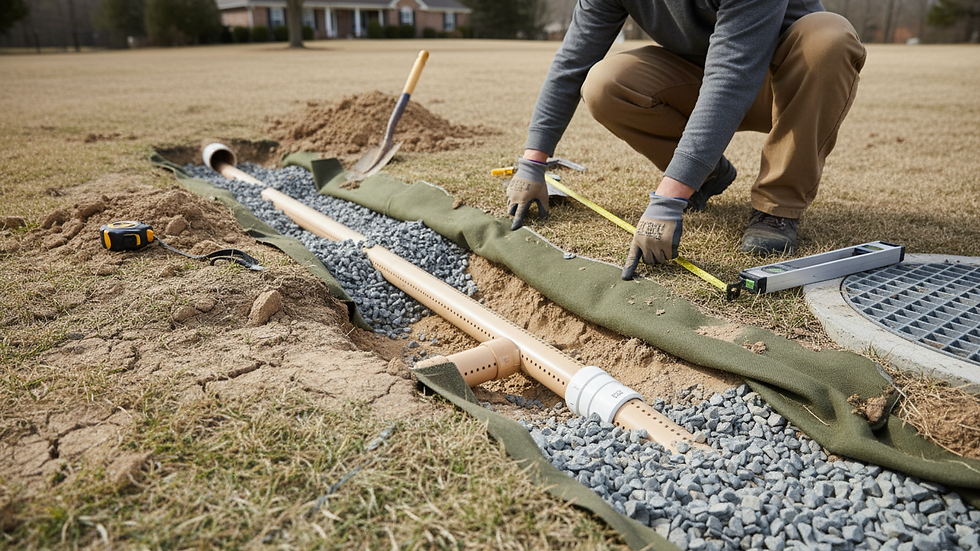
French drains are an effective underground solution. These drains consist of a trench filled with gravel and a perforated pipe that redirects water away from problem areas. They are especially useful in yards with poor natural drainage or where water tends to pool.
Surface drains, such as catch basins, collect water from low spots and channel it into underground pipes. These systems are ideal for larger yards or areas with heavy rainfall.

Choosing the Right Outdoor Drainage Systems for Your Yard
Selecting the right drainage system depends on your yard’s layout, soil type, and the amount of water you need to manage. Here are some common options and when to use them:
Grading and Sloping: Best for gently redirecting water away from your home. This is a low-cost, natural solution.
Gutters and Downspouts: Essential for any home with a roof. Regular maintenance is key to effectiveness.
French Drains: Ideal for areas with heavy water accumulation or poor soil drainage.
Surface Drains and Catch Basins: Suitable for large yards or places where water pools after storms.
Dry Wells: These underground structures collect and slowly release water into the soil, preventing surface flooding.
When planning your drainage system, consider soil type. Clay soils drain slowly and may require more extensive drainage solutions. Sandy soils drain quickly but may need erosion control measures.
For many homeowners, combining several systems works best. For example, gutters and downspouts can handle roof runoff, while French drains manage yard water.
Who do I call for backyard drainage issues?
If you notice persistent water pooling, soggy spots, or basement leaks, it’s time to call a professional. Look for companies specializing in foundation repair and waterproofing, as they understand how drainage affects your home’s structure.
A qualified contractor will assess your yard, identify problem areas, and recommend the best drainage solutions. They can install systems like French drains, surface drains, or grading adjustments safely and effectively.
When choosing a contractor, ask about their experience with local soil and weather conditions. Chicago’s climate, with its heavy rains and freeze-thaw cycles, requires durable and well-planned drainage systems.
Regular maintenance is also important. Professionals can inspect and clean gutters, check drainage pipes, and ensure your system works year-round.
Practical Tips to Improve Yard Drainage Yourself
While some drainage solutions require professional help, there are steps you can take on your own to improve water flow:
Clean Gutters and Downspouts: Remove leaves and debris regularly to prevent clogs.
Extend Downspouts: Use extensions or splash blocks to move water at least 5 feet away from your foundation.
Adjust Soil Grade: Add soil to low spots and slope it away from your home.
Aerate Your Lawn: Aeration improves soil drainage by allowing water to penetrate deeper.
Install Rain Barrels: Collect roof runoff to reduce water volume around your home.
Use Gravel or Mulch: In problem areas, gravel or mulch can help absorb and slow water flow.
Plant Water-Tolerant Plants: Certain plants thrive in wet conditions and help absorb excess water.
These simple actions can reduce water problems and protect your home from damage.
Why Proper Drainage Matters for Your Home’s Foundation
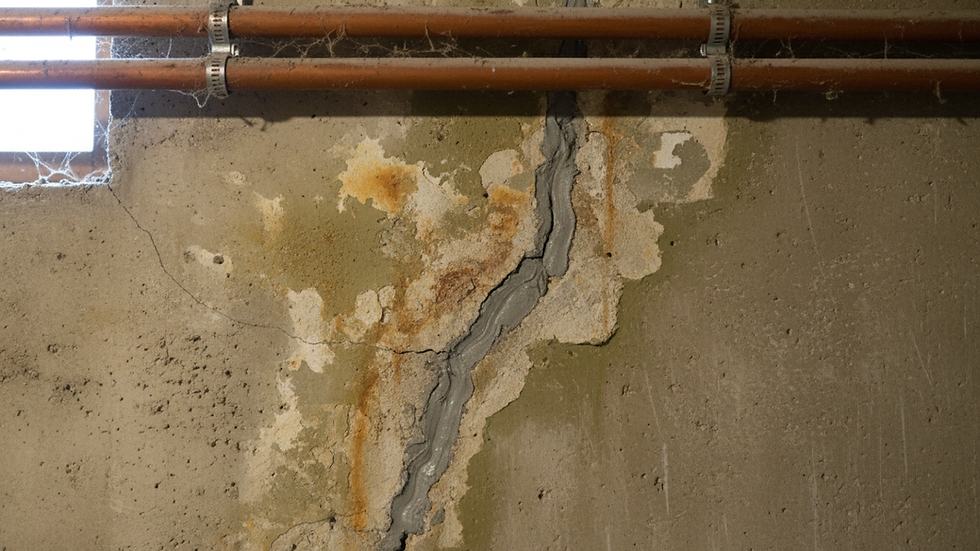
Water pooling near your foundation can cause serious issues. Over time, excess moisture can lead to cracks, shifting, and even basement flooding. Proper drainage protects your home’s structural integrity and saves you money on costly repairs.
In Chicago, where heavy rains and snowmelt are common, managing water is especially important. A well-designed outdoor drainage system prevents water from seeping into your basement and damaging your foundation walls.
By investing in effective drainage solutions, you ensure your home stays dry and secure. This also helps maintain your yard’s health and appearance.
Taking Action for a Dry, Protected Home
Addressing drainage issues early is key to preventing long-term damage. Whether you need simple fixes like gutter cleaning or more complex solutions like French drains, taking action will protect your investment.
If you want to learn more about how to improve your yard drainage, consider consulting with a local expert. They can provide tailored advice and professional installation to keep your home safe.
Remember, efficient outdoor drainage systems are not just about managing water - they are about protecting your home and creating a comfortable living environment.
For more information on yard drainage, visit trusted local resources and take the first step toward a dry, protected home today.


Comments