


Fixing Basement Cracks: How to Repair Basement Cracks Effectively

Updated: Mar 20
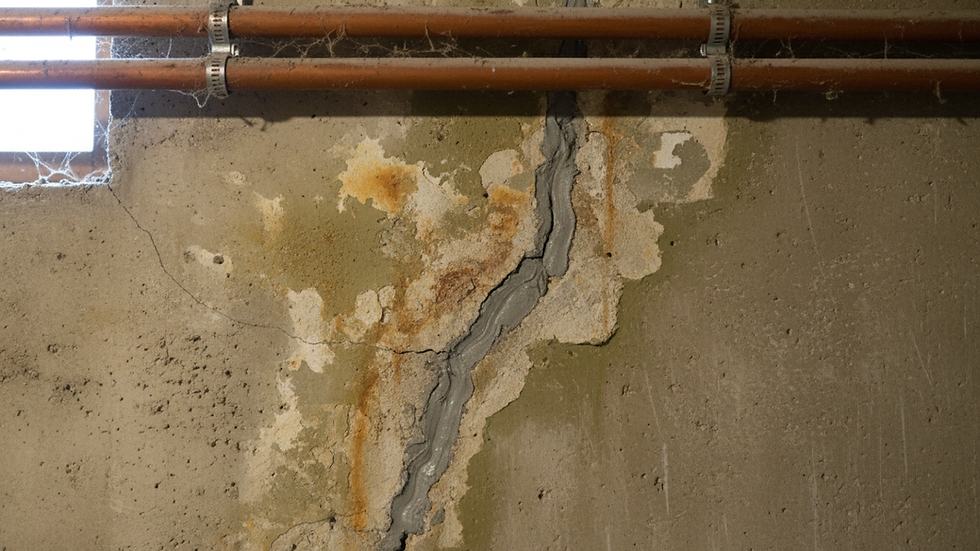
Basement cracks are a common issue in many homes, especially in areas with shifting soil or heavy rainfall. These cracks can lead to water seepage, structural damage, and mold growth if left untreated. Fixing basement cracks is essential to maintain the integrity of your home and keep your basement dry and safe. In this post, I will share practical steps and tips on how to repair basement cracks effectively, helping you protect your home from further damage.
Understanding the Importance of Fixing Basement Cracks
When you notice cracks in your basement walls or floor, it is important to address them promptly. Cracks can vary in size and severity, but even small ones can allow water to enter your basement. Water infiltration can cause dampness, damage to stored items, and promote mold growth, which affects indoor air quality.
Fixing basement cracks is not just about aesthetics. It is about preventing structural problems that can worsen over time. Cracks can indicate foundation movement or settling, which may require professional assessment. Early repair can save you money and stress in the long run.

Effective Methods for Fixing Basement Cracks
There are several methods to repair basement cracks, depending on the crack type and size. Here are some common and effective techniques:
1. Clean and Prepare the Crack
Before any repair, clean the crack thoroughly. Remove loose debris, dirt, and dust using a wire brush or vacuum. This ensures better adhesion of repair materials.
2. Use Hydraulic Cement for Active Leaks
If water is actively leaking through the crack, hydraulic cement is a good choice. It sets quickly and expands as it cures, sealing the crack tightly. Apply it with a trowel, pressing firmly into the crack.
3. Apply Epoxy or Polyurethane Injections
For structural cracks, epoxy injections can restore the wall’s strength. Polyurethane injections are better for sealing leaks and providing flexibility. These injections fill the crack from the inside and bond the concrete.
4. Use Concrete Patch or Mortar for Surface Cracks
For non-structural surface cracks, a concrete patch or mortar mix can be applied. Smooth it over the crack and allow it to cure. This method is simple and effective for small cracks.
5. Seal the Basement Wall
After repairing the cracks, apply a waterproof sealant on the basement walls. This adds an extra layer of protection against moisture penetration.
6. Improve Exterior Drainage
Fixing basement cracks is only part of the solution. Ensure that gutters, downspouts, and grading direct water away from your foundation. Proper drainage reduces hydrostatic pressure on basement walls.

How much does it cost to repair a crack in the basement?
The cost to repair basement cracks varies widely based on the crack size, repair method, and whether professional help is needed. On average:
Small surface cracks can be repaired for $300 to $800 using patching and sealing.
Structural cracks requiring epoxy or polyurethane injections may cost between $800 and $2,500.
Extensive foundation repairs involving excavation or underpinning can exceed $5,000.
DIY repairs can save money but may not address underlying issues. Hiring a professional ensures the problem is properly diagnosed and fixed. It is important to get a detailed estimate and understand the scope of work before proceeding.
Signs You Should Call a Professional for Basement Crack Repair
While some cracks can be repaired by homeowners, others require professional attention. Consider calling a specialist if you notice:
Cracks wider than 1/4 inch or growing over time
Horizontal or stair-step cracks in block walls
Water actively leaking through cracks
Bowing or bulging walls
Cracks accompanied by doors or windows that stick
A professional can perform a thorough inspection, recommend the best repair method, and ensure your basement remains dry and structurally sound.
Maintaining Your Basement After Crack Repair
After fixing basement cracks, ongoing maintenance is key to preventing new problems. Here are some tips:
Monitor cracks regularly for any changes or new signs of damage.
Keep gutters and downspouts clean and direct water at least 5 feet away from your foundation.
Maintain proper grading around your home to slope away from the foundation.
Use a dehumidifier in the basement to control moisture levels.
Inspect sump pumps and drainage systems to ensure they are working properly.
By staying proactive, you can protect your basement and avoid costly repairs in the future.
Fixing basement cracks is a manageable task when you understand the right methods and take timely action. Whether you choose to repair small cracks yourself or hire a professional, addressing these issues early helps maintain a dry, safe, and stable basement. For those looking for reliable basement crack repair services in the Chicago area, working with experienced experts ensures peace of mind and lasting results. Taking care of your basement today protects your home for years to come.


Comments