


Fixing Foundation Cracks from the Inside: A Practical Guide for Homeowners

Foundation cracks can be a serious concern for any homeowner. They can lead to water intrusion, structural damage, and costly repairs if left untreated. Addressing these cracks early is essential to maintaining the safety and value of your home. In this post, I will walk you through the process of fixing foundation cracks from the inside, providing clear, practical advice to help you understand the steps involved and what to expect.
Understanding Foundation Cracks and Their Causes
Before diving into repairs, it is important to understand why foundation cracks occur. Cracks can develop due to several reasons, including soil movement, water pressure, temperature changes, and the natural settling of your home over time. In the Chicago area, the freeze-thaw cycle and clay-rich soil can exacerbate these issues.
There are two main types of foundation cracks:
Structural cracks: These are wider, often vertical or diagonal, and may indicate serious foundation movement.
Non-structural cracks: Usually hairline or horizontal, these cracks are often caused by shrinkage or minor settling.
Identifying the type of crack will help determine the best repair method. If you notice cracks wider than 1/4 inch or signs of bowing walls, it is advisable to consult a professional.
Assessing the Damage from the Inside
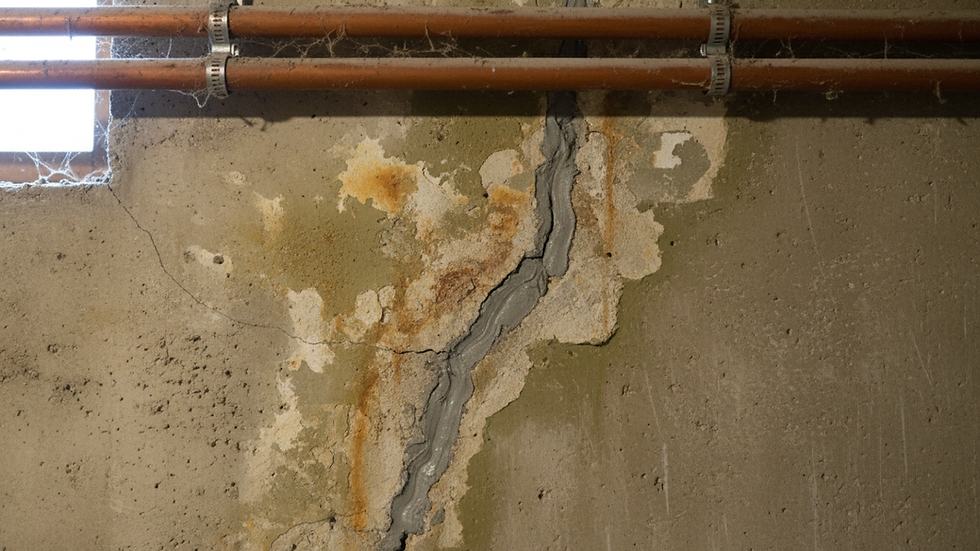
Inspecting your basement or crawl space is the first step in fixing foundation cracks from the inside. Look for visible cracks on the walls and floors, water stains, efflorescence (white powdery deposits), or dampness. Use a flashlight and a measuring tape to document the size and location of each crack.
Pay attention to:
Cracks near windows or doors
Cracks that extend from the floor to the ceiling
Any signs of water seepage or mold growth
Taking photos and notes will help you track changes over time and provide useful information if you decide to hire a professional.

Preparing for Repair: Tools and Materials Needed
Once you have assessed the cracks, gather the necessary tools and materials for the repair. For most interior foundation crack repairs, you will need:
Hydraulic cement or epoxy injection kit
Wire brush or grinder for cleaning the crack
Chisel and hammer to widen the crack slightly for better adhesion
Caulking gun (if using epoxy)
Putty knife or trowel
Safety gear: gloves, goggles, and dust mask
Proper preparation is key to a successful repair. Clean the crack thoroughly to remove dirt, loose concrete, and moisture. This ensures the repair material bonds well with the existing foundation.
Step-by-Step Guide to Fixing Foundation Cracks from Inside
Now, let's go through the repair process step by step. This method works well for cracks that are not actively leaking or causing structural issues.
Clean the crack: Use a wire brush or grinder to remove loose debris. Widen the crack slightly with a chisel and hammer to create a V-shaped groove. This helps the repair material adhere better.
Dry the area: Make sure the crack is dry before applying any repair material. Use a fan or dehumidifier if necessary.
Apply hydraulic cement: Mix the hydraulic cement according to the instructions. Use a putty knife or trowel to press the cement firmly into the crack. Hydraulic cement sets quickly and expands as it cures, sealing the crack effectively.
Smooth the surface: Level the cement with the surrounding wall surface for a clean finish.
Allow to cure: Let the cement cure for the recommended time, usually a few hours to a day.
Optional epoxy injection: For deeper or more serious cracks, an epoxy injection kit can be used. This involves injecting epoxy resin into the crack to bond the concrete and restore structural integrity.

When to Seek Professional Help
While many foundation cracks can be repaired from the inside with the right tools and materials, some situations require professional expertise. You should consider contacting a foundation repair specialist if you notice:
Large or widening cracks
Bowing or leaning walls
Water actively leaking through cracks
Cracks accompanied by doors or windows that stick or do not close properly
Significant settling or uneven floors
Professionals can perform more advanced repairs such as wall anchors, carbon fiber reinforcement, or exterior excavation and waterproofing. They also provide a thorough inspection to identify underlying causes and prevent future damage.
Maintaining Your Foundation After Repairs
Fixing foundation cracks from inside is only part of the solution. To protect your home long-term, regular maintenance is essential. Here are some tips to keep your foundation in good condition:
Control water drainage: Ensure gutters and downspouts direct water away from your foundation. Avoid planting water-loving plants near the foundation.
Maintain consistent soil moisture: In Chicago’s clay soil, uneven moisture can cause foundation movement. Use soaker hoses during dry periods to keep soil moisture stable.
Inspect your basement regularly: Check for new cracks, water stains, or signs of mold.
Address plumbing leaks promptly: Leaks can increase soil moisture and pressure on your foundation.
By staying proactive, you can extend the life of your foundation and avoid costly repairs.
Final Thoughts on Foundation Care
Fixing foundation cracks from inside is a practical and effective way to address minor damage and protect your home. With careful inspection, proper preparation, and the right materials, many homeowners can complete these repairs themselves. However, knowing when to call in professionals is equally important to ensure your home remains safe and dry.
If you want to learn more about fixing foundation cracks from inside, or need expert assistance, consider reaching out to trusted local specialists who understand the unique challenges of Chicago-area homes.
Taking action early can save you time, money, and stress in the long run. Your foundation is the base of your home - treat it with care and attention.


Comments