


Fixing Leaking Foundation Cracks: Best Practices for Leaking Foundation Repair

When you notice cracks in your foundation, it can be alarming. Cracks can lead to water intrusion, structural damage, and costly repairs if left untreated. Fixing leaking foundation cracks is essential to protect your home and maintain its value. In this post, I will share the best practices for leaking foundation repair, focusing on practical steps and clear guidance to help you address these issues effectively.
Understanding Leaking Foundation Repair and Why It Matters
Leaking foundation repair is not just about sealing cracks; it’s about ensuring your home remains dry and structurally sound. Foundations can crack due to soil movement, water pressure, or natural settling. When water seeps through these cracks, it can cause mold, mildew, and damage to your basement or crawl space.
The first step in leaking foundation repair is identifying the source of the leak. This often involves inspecting the exterior drainage, gutters, and grading around your home. Proper drainage prevents water from pooling near the foundation, reducing pressure on the walls.
Once you understand the cause, you can choose the right repair method. Some cracks are minor and can be sealed with epoxy or polyurethane injections. Others may require more extensive work, such as underpinning or wall stabilization.
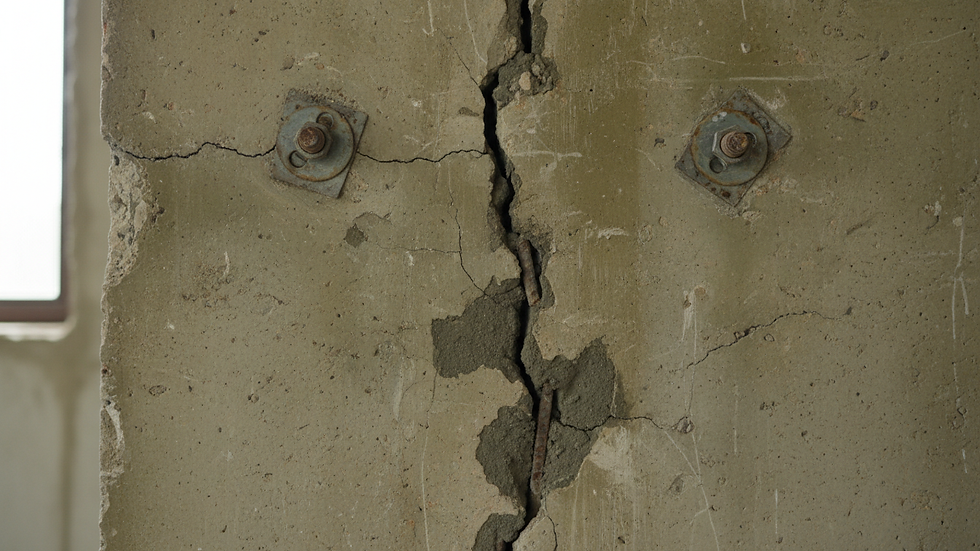
Common Methods for Fixing Leaking Foundation Cracks
There are several effective methods for fixing leaking foundation cracks. Each method depends on the crack’s size, location, and severity. Here are the most common approaches:
Epoxy Injection
This method is ideal for structural cracks that are dry or only slightly damp. Epoxy injections bond the crack and restore the foundation’s strength. The process involves cleaning the crack, installing injection ports, and injecting epoxy under pressure.
Polyurethane Foam Injection
Polyurethane foam is flexible and expands to fill cracks. It is excellent for sealing leaks where water is actively entering. The foam also blocks moisture and prevents further water intrusion.
Crack Routing and Sealing
For non-structural cracks, routing the crack to create a V-shaped groove and then sealing it with a flexible sealant can be effective. This method prevents water from entering but does not restore structural integrity.
Exterior Waterproofing
Sometimes, the best solution is to excavate around the foundation and apply waterproof coatings or membranes. This method stops water before it reaches the foundation wall.
Interior Drainage Systems
Installing interior drainage systems, such as French drains or sump pumps, can manage water that enters the basement, keeping it dry and preventing damage.
Each method has its place, and often a combination of these techniques provides the best results.
How to Tell if a Foundation Crack Is Serious?
Not all foundation cracks require immediate repair, but some indicate serious problems. Here’s how to assess the severity:
Width of the Crack: Cracks wider than 1/4 inch are usually serious and need professional evaluation.
Direction of the Crack: Vertical cracks are often less severe than horizontal or stair-step cracks, which can indicate shifting or settling.
Location: Cracks near windows, doors, or corners of the foundation are more concerning.
Water Leakage: If water is actively leaking through the crack, it needs prompt attention.
Changes Over Time: If cracks are growing or new ones appear, this signals ongoing movement.
If you notice any of these signs, it’s best to consult a foundation repair specialist to evaluate the situation and recommend the appropriate repair.
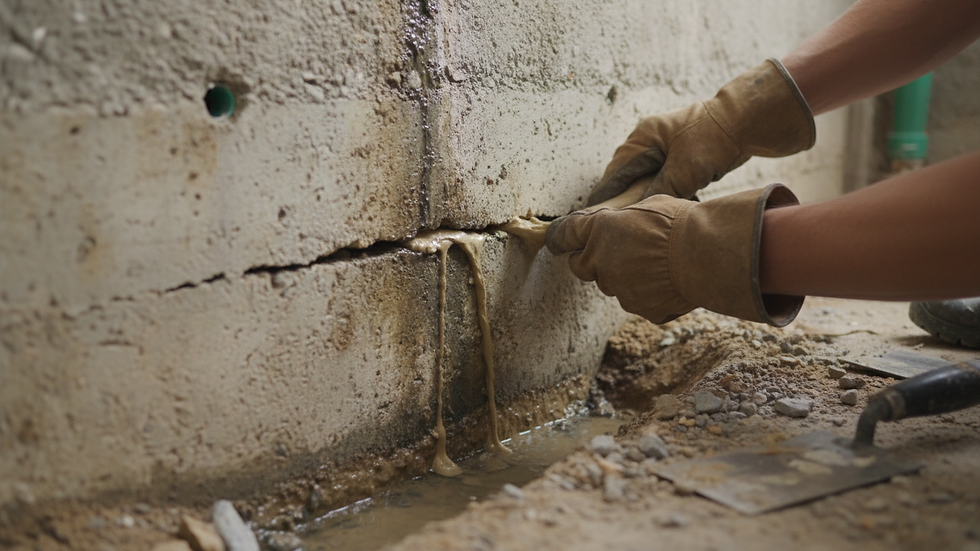
Step-by-Step Guide to DIY Leaking Foundation Crack Repair
While some foundation repairs require professional help, minor leaks can be addressed with DIY methods. Here’s a step-by-step guide:
Clean the Crack
Remove any loose debris, dirt, or old sealant from the crack using a wire brush and vacuum.
Dry the Area
Use a heat gun or allow the crack to dry completely. Moisture can prevent sealants from adhering properly.
Apply Sealant
Use a high-quality hydraulic cement or polyurethane sealant designed for foundation cracks. Follow the manufacturer’s instructions carefully.
Smooth the Sealant
Use a putty knife to smooth the sealant and ensure it fills the crack completely.
Allow to Cure
Let the sealant cure for the recommended time before exposing it to water.
Monitor the Repair
Check the crack periodically to ensure the sealant remains intact and no new leaks appear.
For active leaks or structural cracks, professional leaking foundation crack repair is recommended to ensure long-term stability.
Preventing Future Foundation Leaks
Fixing existing cracks is important, but preventing new leaks is equally critical. Here are some best practices to protect your foundation:
Maintain Proper Drainage
Ensure gutters and downspouts direct water at least 5 feet away from the foundation. Avoid letting water pool near your home.
Grade the Landscape
The soil around your foundation should slope away from the house to prevent water accumulation.
Control Moisture Levels
Avoid overwatering plants near the foundation and fix any plumbing leaks promptly.
Inspect Regularly
Check your foundation for new cracks or signs of water intrusion at least twice a year.
Install a Sump Pump
In areas prone to flooding or high water tables, a sump pump can help keep your basement dry.
By following these steps, you can reduce the risk of future foundation problems and protect your home’s value.
When to Call a Professional for Leaking Foundation Repair
Some foundation issues require expert attention. You should call a professional if:
Cracks are wider than 1/4 inch or growing.
Water is actively leaking into your basement.
You notice doors or windows sticking or misaligned.
There are signs of structural damage, such as bowing walls.
You want a permanent solution with a warranty.
Professional contractors have the tools and experience to diagnose the problem accurately and apply the best repair methods. They can also provide a comprehensive waterproofing plan to keep your home dry.
If you need reliable leaking foundation crack repair, consider contacting a trusted local company with experience in basement waterproofing and foundation repair.
Fixing leaking foundation cracks is essential to maintaining a safe and dry home. By understanding the causes, recognizing serious cracks, and applying the right repair methods, you can protect your investment. Whether you choose to tackle minor repairs yourself or hire a professional, taking action early will save you time and money in the long run.
For more detailed information on leaking foundation crack repair, reach out to experts who specialize in foundation solutions tailored to your home’s needs.


Comments