


French Drain Systems: A Guide to Dry Yards

Water pooling in your yard can cause many problems. It can damage your landscaping, create muddy areas, and even affect your home's foundation. One effective way to manage excess water is by installing a French drain system. In this guide, I will walk you through the essentials of French drain systems, how they work, and practical steps to keep your yard dry.
Understanding French Drain Systems
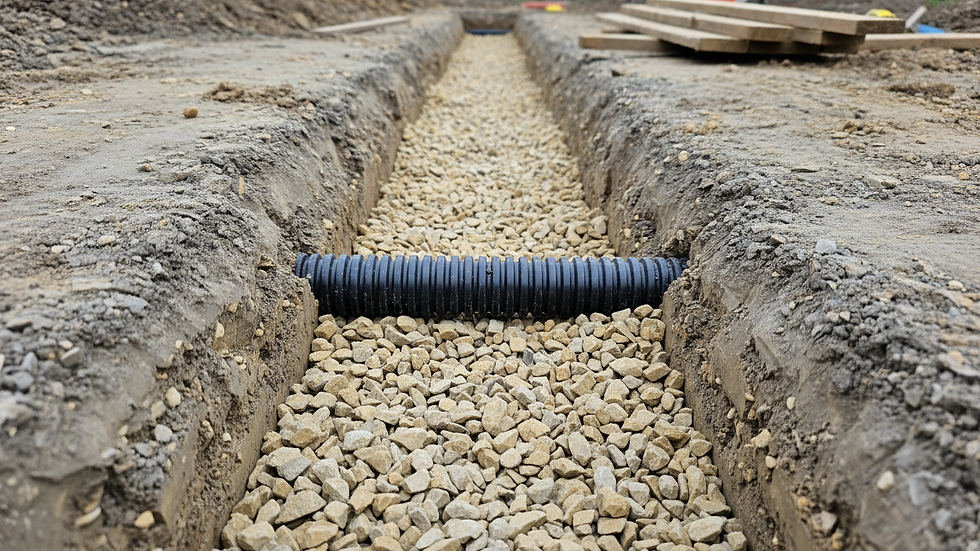
French drain systems are designed to redirect water away from areas where it causes problems. They consist of a trench filled with gravel and a perforated pipe that collects and channels water to a safe drainage point. This system helps prevent water from pooling in your yard or seeping into your basement.
The key to a successful French drain system is proper installation. The trench must be dug at the right depth and slope to ensure water flows naturally through the pipe. The gravel surrounding the pipe allows water to enter easily while filtering out debris.
French drain systems are especially useful in areas with heavy rainfall or poor soil drainage. They can be installed around the perimeter of your home, along driveways, or in low spots in your yard. By managing water effectively, these systems protect your landscaping and foundation.
Benefits of French Drain Systems for Your Yard
Installing a French drain system offers several benefits that improve the health and usability of your yard:
Prevents Water Damage: By redirecting water, French drains protect your home's foundation and basement from water intrusion.
Reduces Soil Erosion: Proper drainage prevents soil from washing away during heavy rains.
Improves Yard Usability: Dry yards are easier to maintain and more enjoyable for outdoor activities.
Protects Landscaping: Excess water can harm plants and grass. French drains help maintain healthy soil moisture levels.
Minimizes Mosquito Breeding: Standing water is a breeding ground for mosquitoes. Draining water reduces this risk.
When planning your French drain system, consider the layout of your yard and the natural flow of water. This will help you decide the best location for the drain and where to direct the water.
What is the average cost of putting in a French drain?
The cost of installing a French drain system varies depending on several factors:
Size of the Area: Larger yards or longer drains require more materials and labor.
Soil Type: Rocky or clay soils can increase excavation difficulty and cost.
Depth and Slope: Deeper trenches or complex slopes may require specialized equipment.
Drainage Outlet: The distance to the drainage point affects pipe length and installation time.
On average, homeowners can expect to pay between $20 and $30 per linear foot for a professionally installed French drain. For a typical yard, this might range from $1,500 to $4,000. DIY installation can reduce costs but requires careful planning and effort.
It is important to get multiple quotes from local contractors to understand the pricing in your area. Also, consider the long-term benefits of a properly installed system, which can save money on repairs and landscaping damage.
Step-by-Step Guide to Installing a French Drain System
If you decide to install a French drain system yourself, follow these steps carefully:
Plan the Drain Route: Identify the problem areas and determine where the water should flow. Mark the trench path with spray paint or stakes.
Check for Utilities: Before digging, contact local utility companies to avoid damaging underground lines.
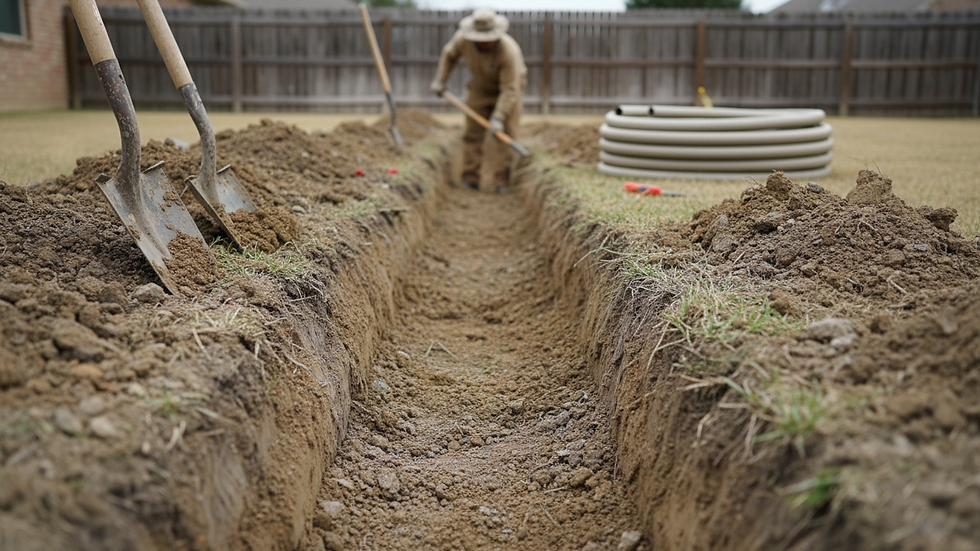
Dig the Trench: The trench should be about 6 inches wide and 18 to 24 inches deep. Ensure a slope of at least 1% (1 foot drop per 100 feet) for proper drainage.
Add Gravel Base: Place a 2-3 inch layer of gravel at the bottom of the trench.
Lay the Perforated Pipe: Position the pipe with the holes facing down. This allows water to enter from below and flow through the pipe.
Cover with Gravel: Fill the trench with gravel until it is about 2-3 inches below ground level.
Add Landscape Fabric: Cover the gravel with fabric to prevent soil from clogging the drain.
Backfill with Soil: Fill the remaining trench with soil and compact it gently.
Test the Drain: Run water through the system to ensure it flows correctly to the outlet.
Proper maintenance is essential to keep your French drain system working well. Periodically check for blockages and clear debris from the outlet.
Tips for Maintaining a Dry Yard Year-Round
Maintaining a dry yard requires more than just installing a French drain system. Here are some additional tips to help you manage water effectively:
Keep Gutters Clean: Ensure gutters and downspouts direct water away from your foundation.
Grade Your Yard Properly: The soil should slope away from your home to prevent water pooling near the foundation.
Use Rain Barrels: Collect rainwater from your roof to reduce runoff.
Plant Water-Tolerant Vegetation: Choose plants that thrive in moist conditions for low spots.
Inspect Drainage Regularly: Check your French drain system and other drainage features after heavy rains.
By combining these practices with a well-installed French drain system, you can protect your yard and home from water damage.
Why Choose Professional Help for French Drain Installation?
While DIY installation is possible, professional help ensures the job is done right. Experts have the tools and experience to:
Assess your yard’s drainage needs accurately.
Design a system that fits your property’s layout.
Handle difficult soil conditions and obstacles.
Ensure proper slope and pipe placement.
Provide warranties and ongoing support.
For homeowners in the Chicago area, working with a trusted company like Home G Group Inc. means you get reliable basement waterproofing and foundation repair services. Their expertise ensures your home stays dry and protected, giving you peace of mind.
By understanding how French drain systems work and following these guidelines, you can effectively manage water in your yard. Whether you choose to install the system yourself or hire professionals, the result will be a dry, healthy yard that protects your home for years to come.


Comments