


Improving Lawn Health with Yard Water Management Solutions
Maintaining a healthy lawn requires more than just regular mowing and watering. One of the most critical factors that often gets overlooked is proper water management. Excess water can cause soil erosion, root rot, and promote weed growth, all of which harm your lawn’s health. On the other hand, insufficient water can dry out your grass and stunt its growth. Effective yard water management is essential to keep your lawn lush, green, and thriving throughout the year.
In this post, I will share practical advice on how to improve your lawn’s health by managing water effectively. I will cover the importance of yard water management, common drainage problems, and actionable steps you can take to ensure your yard stays healthy and well-drained.
Understanding Yard Water Management and Its Importance
Yard water management involves controlling the flow and accumulation of water in your outdoor space. Proper water management prevents water from pooling in unwanted areas, which can suffocate grass roots and create muddy patches. It also helps avoid water damage to your home’s foundation and basement.
In the Chicago area, where heavy rains and snowmelt are common, managing water in your yard is especially important. Water that does not drain properly can lead to standing water, which attracts pests and encourages fungal diseases in your lawn. By managing water effectively, you protect your investment in your home and landscape.
Some key benefits of good yard water management include:
Healthier grass and plants: Proper drainage ensures roots get enough oxygen and nutrients.
Reduced soil erosion: Water runoff is controlled, preventing soil loss.
Prevention of water damage: Keeps water away from your home’s foundation.
Fewer pests and diseases: Standing water is a breeding ground for mosquitoes and fungi.

Common Yard Water Problems and How They Affect Lawn Health
Before diving into solutions, it’s important to recognize common water problems that can harm your lawn:
Pooling or standing water: This occurs when water collects in low spots and does not drain away. It can drown grass roots and create muddy, unusable areas.
Soil compaction: Heavy water flow can compact soil, reducing its ability to absorb water and nutrients.
Erosion: Water running off too quickly can wash away topsoil, leaving bare patches.
Waterlogged soil: Saturated soil lacks oxygen, which is essential for root health.
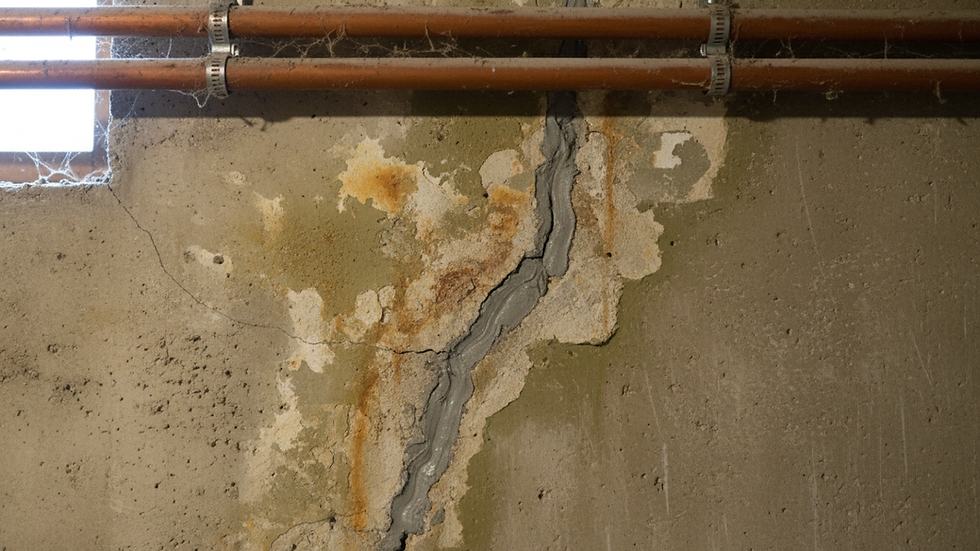
Basement or foundation leaks: Poor yard water management can cause water to seep into your home’s foundation, leading to costly repairs.
Addressing these issues early can save you time and money while improving your lawn’s overall health.
How do I properly drain my yard?
Proper drainage is the foundation of effective yard water management. Here are some practical steps to help you drain your yard correctly:
1. Assess Your Yard’s Slope and Drainage Patterns
Water naturally flows downhill. Observe your yard during or after a rainstorm to identify where water collects or flows. Ideally, your yard should slope away from your home’s foundation at a rate of about 2% (a drop of 1/4 inch per foot) to direct water away.
2. Install Drainage Solutions
Depending on your yard’s layout and drainage issues, you may consider one or more of the following:
French drains: These are trenches filled with gravel and a perforated pipe that redirect water away from problem areas.
Dry wells: Underground structures that collect and slowly disperse water into the soil.
Swales: Shallow, sloped ditches that channel water to a safe drainage point.
Rain gardens: Planted depressions that absorb and filter runoff water.
Downspout extensions: Direct roof runoff further away from your foundation.
3. Improve Soil Quality
Aerate compacted soil to improve water absorption. Adding organic matter like compost can increase soil permeability and promote healthy root growth.
4. Maintain Gutters and Downspouts
Ensure gutters are clean and downspouts direct water at least 5 feet away from your home. This prevents water from pooling near your foundation.
5. Use Grading and Landscaping
Regrade areas where water pools and use landscaping features like retaining walls or berms to control water flow.
By combining these methods, you can effectively manage water in your yard and protect your lawn and home.

Practical Tips to Maintain a Healthy Lawn with Proper Water Management
Once you have addressed drainage issues, maintaining your lawn’s health requires ongoing care. Here are some tips to keep your lawn thriving:
Water deeply but infrequently: Watering deeply encourages roots to grow deeper, making your lawn more drought-resistant.
Mow at the right height: Taller grass shades the soil, reducing evaporation and helping retain moisture.
Avoid overwatering: Excess water can cause fungal diseases and weaken roots.
Use mulch in garden beds: Mulch helps retain soil moisture and reduces runoff.
Regularly inspect your yard: After heavy rains, check for new pooling areas or erosion and address them promptly.
Aerate your lawn annually: This reduces soil compaction and improves water infiltration.
By following these practices, you support your yard’s natural water cycle and promote a healthy, resilient lawn.
Why Professional Help Can Make a Difference
While some yard water management tasks can be DIY projects, certain situations require professional expertise. If you notice persistent water pooling, basement leaks, or foundation issues, it’s wise to consult a specialist.
Professionals can:
Conduct a thorough site evaluation.
Design and install effective drainage systems tailored to your yard.
Ensure compliance with local regulations.
Provide long-term maintenance plans.
In the Chicago area, where weather conditions can be challenging, professional yard water management services help protect your home and lawn from water damage and deterioration.
If you want to learn more about effective yard drainage solutions, consider reaching out to trusted local experts who understand the unique needs of your property.
Taking Action for a Healthier Lawn and Home
Improving your lawn’s health starts with managing water effectively. By understanding the importance of yard water management, identifying drainage problems, and implementing practical solutions, you can create a vibrant, healthy outdoor space.
Remember to:
Assess your yard’s drainage needs.
Use appropriate drainage systems.
Maintain your lawn with proper watering and care.
Seek professional help when necessary.
Taking these steps will not only enhance your lawn’s appearance but also protect your home’s foundation and increase your property’s value. Start today to enjoy a greener, healthier yard tomorrow.


Comments