


Indoor Foundation Crack Repair: Fixing Foundation Cracks from the Inside

Foundation cracks can be a serious concern for any homeowner. When left unattended, these cracks can lead to water intrusion, structural damage, and costly repairs. Fortunately, many foundation cracks can be addressed from the inside of your home. In this post, I will walk you through the process of indoor foundation crack repair, sharing practical advice and clear steps to help you protect your home.
Understanding Indoor Foundation Crack Repair
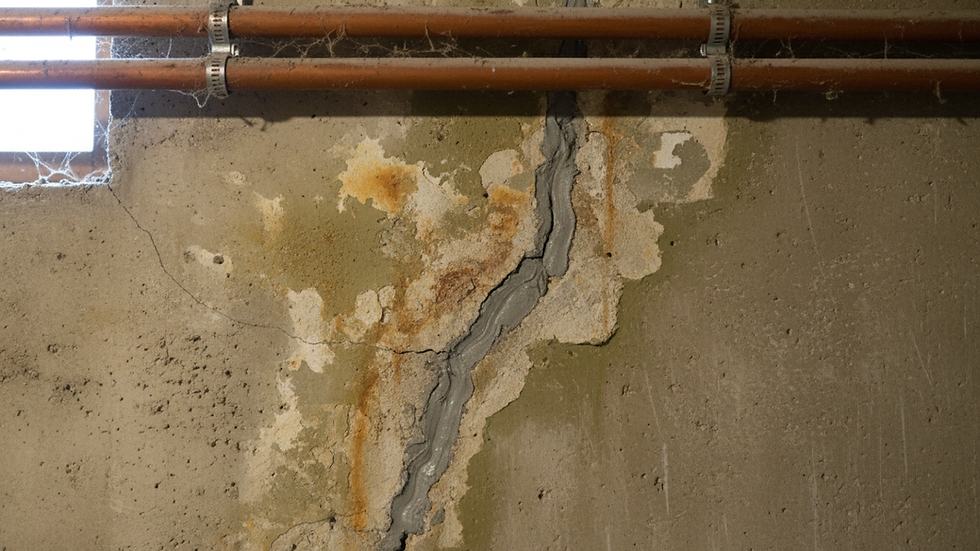
Indoor foundation crack repair involves addressing cracks visible on the interior walls of your basement or foundation. These cracks often appear as thin lines or wider gaps in concrete or masonry walls. Repairing them from the inside is a common and effective method to prevent water leaks and further damage.
The first step is to identify the type of crack you are dealing with. Hairline cracks are usually cosmetic and less urgent, while wider cracks or those with displacement may indicate structural issues. For most cracks, indoor repair can stop water seepage and improve the foundation’s integrity.
When considering indoor foundation crack repair, it is important to understand the materials and tools involved. Common repair materials include epoxy or polyurethane injections, hydraulic cement, and masonry sealants. Each has its own use depending on the crack size and moisture conditions.

Steps for Effective Indoor Foundation Crack Repair
Repairing foundation cracks from the inside requires careful preparation and execution. Here are the key steps I recommend:
Clean the Crack Area
Remove any loose debris, dirt, or paint from the crack using a wire brush or vacuum. A clean surface ensures better adhesion of repair materials.
Prepare the Crack
For wider cracks, use a chisel and hammer to widen the crack slightly and create a V-shaped groove. This helps the repair material bond more effectively.
Apply Repair Material
Depending on the crack type, apply hydraulic cement or inject epoxy/polyurethane resin. Hydraulic cement sets quickly and is ideal for stopping active water leaks. Epoxy injections provide strong structural bonding for dry cracks.
Smooth and Finish
Use a trowel to smooth the surface and remove excess material. Allow the repair to cure fully according to the product instructions.
Monitor and Maintain
After repair, keep an eye on the area for any signs of new cracks or water intrusion. Regular maintenance can prevent future problems.
How to Seal Interior Foundation Cracks?
Sealing interior foundation cracks is a critical part of indoor foundation crack repair. Proper sealing prevents moisture from entering your basement and causing mold or damage.
Here’s how to seal interior foundation cracks effectively:
Choose the Right Sealant
Use a high-quality masonry sealant or polyurethane caulk designed for concrete. These products remain flexible and resist water penetration.
Apply Sealant Correctly
After cleaning the crack, apply the sealant with a caulking gun. Fill the crack completely and smooth the surface with a putty knife or your finger.
Consider Waterproof Coatings
For added protection, apply a waterproof coating over the repaired area. This creates a barrier against moisture and enhances durability.
Use Crack Injection for Deep Sealing
For deep or structural cracks, injection with epoxy or polyurethane resin provides a permanent seal. This method fills the crack internally and restores strength.
Sealing interior foundation cracks is a straightforward process but requires attention to detail. Proper sealing is essential to keep your basement dry and your foundation stable.

When to Call a Professional for Foundation Crack Repair
While many foundation cracks can be repaired from the inside by homeowners, some situations require professional expertise. Here are signs that you should contact a foundation repair specialist:
Cracks wider than 1/4 inch or those that are growing over time
Horizontal or stair-step cracks in masonry walls
Water actively leaking through cracks despite repairs
Signs of foundation settling such as uneven floors or doors that stick
Multiple cracks appearing in different areas of the foundation
Professionals have the tools and experience to assess the severity of foundation damage and recommend the best repair methods. They can also perform more advanced repairs like underpinning or exterior waterproofing if needed.
Preventing Future Foundation Cracks
Repairing cracks is important, but preventing new ones is equally crucial. Here are some practical tips to reduce the risk of foundation cracks:
Manage Water Drainage
Ensure gutters and downspouts direct water away from your foundation. Poor drainage can cause soil movement and pressure on foundation walls.
Maintain Consistent Soil Moisture
Avoid letting soil around your foundation dry out completely or become overly saturated. Both conditions can cause soil expansion or contraction.
Inspect Your Foundation Regularly
Check your basement walls and floors for new cracks or signs of moisture. Early detection allows for timely repairs.
Control Indoor Humidity
Use dehumidifiers in your basement to reduce moisture levels and prevent mold growth.
Avoid Planting Large Trees Near the Foundation
Tree roots can disturb soil and cause foundation movement.
By following these preventive measures, you can protect your home’s foundation and reduce the need for frequent repairs.
Trustworthy Foundation Repair Services in Chicago
If you are dealing with foundation cracks in your home, it is important to choose a reliable company for repairs. Home G Group Inc. is committed to being the trusted, go-to company for homeowners in the Chicago area needing reliable basement waterproofing and foundation repair. Their expertise ensures dry, protected homes and peace of mind for clients.
For those interested in fixing foundation cracks from inside, professional guidance can make a significant difference. Proper repair techniques and quality materials are essential for long-lasting results.
Taking action early and choosing the right repair method can save you money and stress in the long run. Whether you decide to do the repair yourself or hire a professional, understanding the process is the first step toward a safer, more secure home.
By addressing foundation cracks promptly and effectively, you protect your home’s value and structural integrity. Indoor foundation crack repair is a practical solution that can prevent water damage and costly repairs. Use the tips and steps shared here to maintain a strong foundation and a dry basement for years to come.


Comments