


Interior Drain Tile Installation: A Chicago Guide to the Drain Tile Installation Process

When it comes to protecting your home from water damage, interior drain tile installation is a critical step. In Chicago, where heavy rains and fluctuating groundwater levels are common, having a reliable drainage system can make all the difference. I want to share a clear and practical guide on the drain tile installation process, focusing on what you need to know to keep your basement dry and your foundation secure.
Understanding the Drain Tile Installation Process
The drain tile installation process is designed to manage water around your foundation effectively. Drain tiles are perforated pipes installed around the perimeter of your basement floor. Their job is to collect water that seeps into the soil and direct it away from your foundation, preventing water buildup and potential damage.
Here’s a step-by-step overview of the process:
Excavation of the Basement Floor
The first step involves removing a section of the basement floor near the walls. This excavation allows access to the foundation footings where the drain tiles will be placed.
Cleaning and Preparing the Area
After excavation, the area is cleaned to remove debris and ensure proper placement of the drain tiles.
Installing the Drain Tiles
Perforated pipes are laid along the foundation footings. These pipes are surrounded by gravel or drainage stone to facilitate water flow into the pipes.
Connecting to a Sump Pump or Drainage System
The drain tiles are connected to a sump pump or an existing drainage system that pumps water out and away from the home.
Sealing and Repairing the Floor
Once the drain tiles are installed and connected, the basement floor is repaired and sealed to prevent water from entering through cracks.
This process is essential for homes in Chicago, where water infiltration can cause serious issues like mold, mildew, and structural damage.

Why Interior Drain Tile Installation is Important in Chicago
Chicago’s climate presents unique challenges for homeowners. The city experiences heavy rainfall, snowmelt, and fluctuating groundwater levels. These conditions increase the risk of water seeping into basements and causing damage.
Interior drain tile installation helps by:
Preventing Water Accumulation: It directs water away from the foundation, reducing hydrostatic pressure.
Protecting the Foundation: Water buildup can weaken the foundation over time. Drain tiles help maintain its integrity.
Reducing Mold and Mildew Risks: By keeping basements dry, drain tiles reduce the chances of mold growth.
Increasing Home Value: A dry basement is a valuable asset for any home.
If you are considering this installation, it’s important to work with professionals who understand local soil and water conditions. For reliable service, I recommend checking out interior drain tile installation Chicago IL.
Signs You Need Interior Drain Tile Installation
Knowing when to install interior drain tiles can save you from costly repairs later. Here are some common signs that indicate you might need this system:
Basement Water Leaks or Dampness: Even small leaks or damp spots on walls or floors suggest water is entering.
Musty Odors: Persistent musty smells often indicate moisture problems.
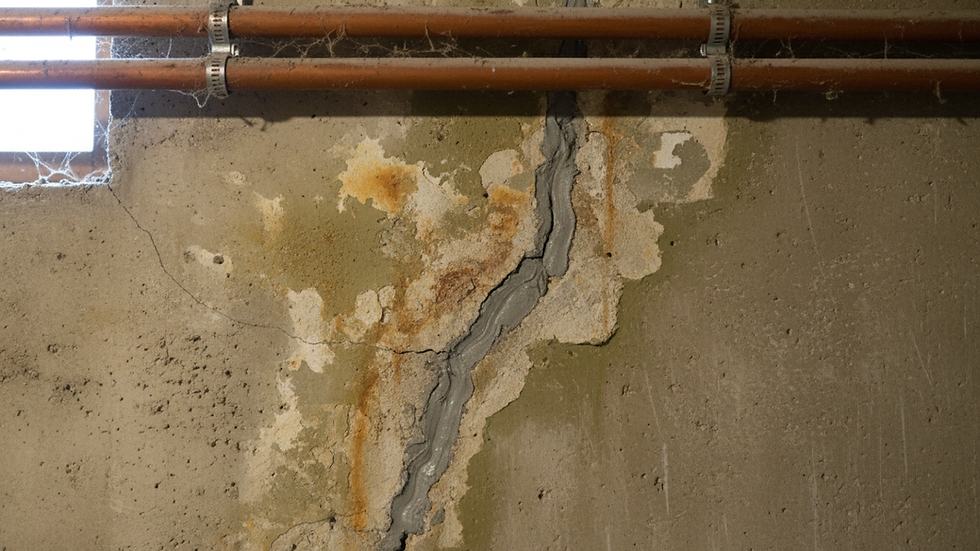
Cracks in Foundation Walls or Floors: Water pressure can cause cracks, which worsen over time.
Pooling Water Near Foundation: Water collecting near your home’s foundation is a warning sign.
Previous Flooding or Water Damage: If your basement has flooded before, drain tiles can help prevent future issues.
If you notice any of these signs, it’s wise to consult a professional to assess your home’s drainage needs.

Choosing the Right Materials and Techniques
The effectiveness of your interior drain tile system depends on the materials and installation techniques used. Here are some key points to consider:
Drain Tile Material: PVC or flexible perforated pipes are common. PVC is durable and resistant to corrosion.
Gravel or Drainage Stone: Surrounding the pipes with clean gravel ensures proper water flow.
Sump Pump Quality: A reliable sump pump is essential to remove water collected by the drain tiles.
Waterproofing Membranes: Applying waterproof coatings on foundation walls adds an extra layer of protection.
Proper Slope and Drainage: Pipes must be installed with a slight slope to ensure water flows toward the sump pump.
Using quality materials and following best practices during installation will ensure your system works efficiently for years.
Maintenance Tips for Long-Term Performance
Once your interior drain tile system is installed, regular maintenance is key to keeping it effective. Here are some tips:
Inspect the Sump Pump Regularly: Test the pump every few months to ensure it is working properly.
Keep the Sump Pit Clean: Remove debris that could clog the pump or pipes.
Check for Signs of Water Entry: Look for damp spots or leaks in the basement.
Schedule Professional Inspections: Have a professional inspect your system every few years.
Maintain Exterior Drainage: Ensure gutters and downspouts direct water away from your foundation.
Proper maintenance will extend the life of your drain tile system and protect your home from water damage.
Planning Your Interior Drain Tile Installation
Planning is crucial for a successful installation. Here are some steps to help you prepare:
Assess Your Basement’s Condition: Identify problem areas and water entry points.
Consult with Experts: Get professional advice tailored to your home’s needs.
Budget for the Project: Understand the costs involved, including materials, labor, and repairs.
Schedule Installation During Dry Weather: This helps avoid complications during excavation.
Prepare Your Basement: Remove furniture and belongings from the work area.
By planning carefully, you can minimize disruption and ensure a smooth installation process.
Interior drain tile installation is a smart investment for any homeowner in Chicago. It protects your home from water damage, preserves your foundation, and provides peace of mind. If you want to learn more or schedule an installation, consider reaching out to trusted local professionals who specialize in basement waterproofing and foundation repair. Taking action now can save you from costly repairs in the future and keep your home safe and dry.


Comments