


Interior Foundation Crack Repair: Fixing Foundation Cracks from Inside

Foundation cracks can be a serious concern for any homeowner. They can lead to water intrusion, structural damage, and costly repairs if left untreated. Addressing these cracks early is essential to maintaining the integrity of your home. In this post, I will walk you through the process of interior foundation crack repair, focusing on practical steps you can take to fix foundation cracks from inside your basement or crawl space.
Understanding Interior Foundation Crack Repair
When it comes to foundation cracks, many people think the only solution is to dig outside and repair from the exterior. However, interior foundation crack repair offers a viable alternative that can be less invasive and more cost-effective. This method involves sealing cracks from the inside of your home, preventing water from entering and stopping further damage.
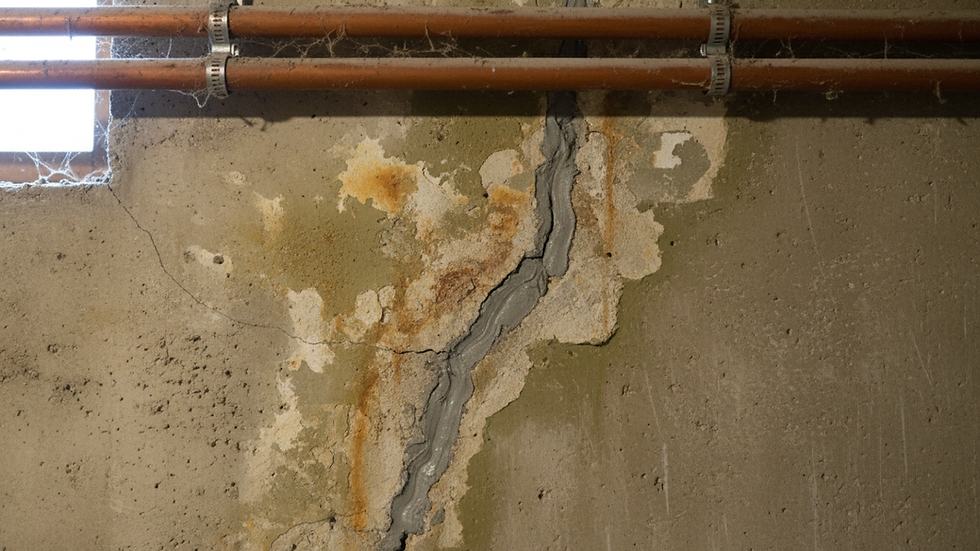
Interior foundation crack repair typically includes cleaning the crack, injecting sealants or epoxy, and sometimes reinforcing the area with additional materials. This approach is especially useful for small to medium cracks that are not actively shifting or widening.
Why Choose Interior Repair?
Less disruption: No need to excavate around your home.
Cost-effective: Saves money on labor and landscaping repairs.
Quick process: Repairs can often be completed in a day or two.
Effective sealing: Stops water leaks and prevents mold growth.
By focusing on interior repairs, you can protect your home’s foundation without the hassle of major construction.
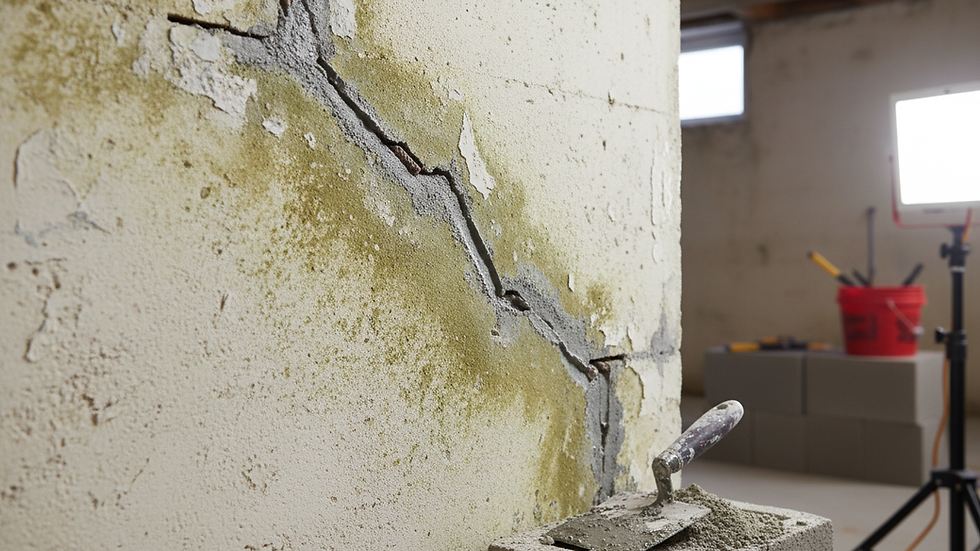
Steps for Interior Foundation Crack Repair
If you decide to tackle interior foundation crack repair yourself or want to understand what professionals do, here are the key steps involved:
Inspect the Crack
Begin by examining the crack closely. Measure its length and width, and check if it is active (widening) or dormant. Active cracks may require more extensive structural repair.
Clean the Crack
Use a wire brush or vacuum to remove dirt, dust, and loose debris from the crack. A clean surface ensures better adhesion of repair materials.
Prepare the Surface
If necessary, widen the crack slightly with a chisel to create a V-shaped groove. This helps the sealant penetrate deeper and bond more securely.
Apply Sealant or Epoxy
Inject a polyurethane foam or epoxy resin into the crack. Polyurethane is flexible and good for waterproofing, while epoxy provides structural strength.
Smooth and Finish
Use a putty knife to smooth the surface and remove excess material. Allow the sealant to cure according to the manufacturer’s instructions.
Monitor the Repair
Check the repaired area periodically for any signs of new cracks or leaks.
These steps provide a solid foundation for repairing cracks from inside your home. For larger or more complex issues, consulting a professional is recommended.
Can You Seal a Foundation Leak from the Inside?
Yes, sealing a foundation leak from the inside is possible and often effective. Interior waterproofing methods focus on stopping water that has already penetrated the foundation from entering your living space.
Common techniques include:
Crack Injection: As described earlier, injecting sealants into cracks to block water flow.
Interior Drainage Systems: Installing a drainage channel along the perimeter of the basement floor to collect and redirect water.
Sump Pumps: Using pumps to remove water collected by drainage systems.
Waterproof Coatings: Applying sealants or membranes to interior walls to prevent moisture penetration.
While interior sealing can stop leaks and protect your basement, it does not address the source of water outside your foundation. For long-term protection, exterior drainage improvements may be necessary.

When to Call a Professional for Foundation Crack Repair
Not all foundation cracks are the same. Some require professional assessment and repair to ensure your home remains safe and dry. Here are signs that you should contact a foundation repair expert:
Cracks wider than 1/4 inch or growing over time.
Horizontal or stair-step cracks in concrete blocks.
Bowing or leaning walls.
Water actively leaking through cracks.
Doors and windows sticking or misaligned.
Cracks accompanied by sinking or settling floors.
Professionals can perform a thorough inspection, recommend the best repair method, and provide warranties for their work. They also have access to specialized equipment and materials that may not be available to homeowners.
Preventing Future Foundation Cracks
Repairing cracks is important, but preventing new ones is equally critical. Here are some practical tips to protect your foundation:
Maintain Proper Drainage: Ensure gutters and downspouts direct water at least 5 feet away from your foundation.
Grade the Landscape: The ground around your home should slope away to prevent water pooling.
Control Moisture Levels: Use dehumidifiers in basements and fix plumbing leaks promptly.
Avoid Overwatering Plants Near Foundation: Excessive watering can saturate soil and increase pressure on walls.
Inspect Regularly: Check your foundation annually for new cracks or signs of damage.
By following these steps, you can reduce the risk of foundation problems and extend the life of your home’s structure.
Taking Action on Fixing Foundation Cracks from Inside
If you notice cracks in your basement walls, don’t wait to address them. Early intervention can save you money and prevent more serious damage. Whether you choose to do the repairs yourself or hire a professional, understanding the process of fixing foundation cracks from inside is the first step toward a safer, drier home.
Remember, foundation repair is an investment in your property’s future. Taking action now ensures your home remains stable and protected for years to come. If you are in the Chicago area and need reliable basement waterproofing or foundation repair, consider reaching out to trusted local experts who understand the unique challenges of our climate and soil conditions.
By staying informed and proactive, you can maintain a strong foundation beneath your feet.


Comments