


Maximizing Water Control with Drain Tile Water Control Systems

Water management around your home is essential to maintaining a dry, safe, and healthy living environment. One of the most effective ways to control water intrusion, especially in basements and foundations, is through the use of drain tile water control systems. These systems help redirect water away from your home’s foundation, preventing costly damage and moisture problems.
In this post, I will walk you through the importance of drain tile water control, how these systems work, and practical steps you can take to maximize their effectiveness. Whether you are dealing with persistent basement dampness or want to protect your home from future water issues, understanding drain tile water control is key.
Understanding Drain Tile Water Control
Drain tile water control systems are designed to collect and redirect groundwater away from your home’s foundation. The system typically consists of perforated pipes installed around the perimeter of the foundation, often surrounded by gravel or other drainage materials. These pipes collect water that seeps through the soil and channel it to a safe discharge point, such as a sump pump or storm drain.
The main goal of drain tile water control is to reduce hydrostatic pressure against your foundation walls. When water accumulates around your foundation, it pushes against the walls, increasing the risk of cracks, leaks, and structural damage. By installing a drain tile system, you can relieve this pressure and keep your basement dry.
Key Benefits of Drain Tile Water Control
Prevents basement flooding and moisture buildup
Protects foundation integrity by reducing water pressure
Improves indoor air quality by minimizing mold and mildew growth
Increases home value by maintaining a dry, stable foundation

Drain tile pipe installed around foundation to manage groundwater
How Drain Tile Water Control Systems Work
Drain tile water control systems operate by intercepting water before it reaches your foundation walls. Here’s a step-by-step explanation of how the system functions:
Water Collection: Water in the soil naturally moves downward and sideways. The perforated drain tile pipes collect this water as it flows through the gravel bed surrounding the pipes.
Water Channeling: Once collected, the water travels through the drain tile pipes, which are sloped to encourage flow toward a designated exit point.
Water Removal: The water is directed away from the foundation, often into a sump pit where a sump pump removes it from the basement or into a storm sewer system.
Continuous Protection: This process continuously prevents water from pooling near the foundation, reducing the risk of leaks and structural damage.
Proper installation and maintenance are critical to ensure the system works effectively. Poorly installed drain tile systems can clog or fail, leading to water problems despite the presence of the system.
Signs You Need Drain Tile Water Control
Recognizing when your home needs a drain tile water control system can save you from expensive repairs later. Here are some common signs that indicate a need for improved water management:
Basement walls or floors show signs of moisture or water seepage
Musty odors or visible mold growth in the basement
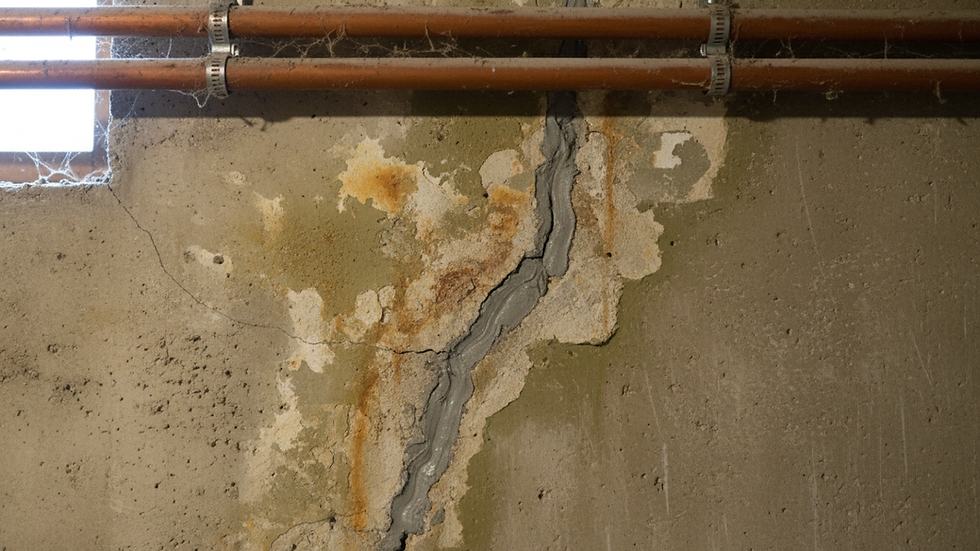
Cracks in foundation walls or floors
Pooling water or soggy soil near the foundation after rain
Sump pump running frequently or struggling to keep up with water
If you notice any of these signs, it’s important to assess your drainage system and consider installing or upgrading your drain tile water control system. For homeowners in the Chicago area, professional services like interior drain tile installation Chicago IL can provide expert solutions tailored to local soil and weather conditions.

Sump pump system removing water collected by drain tile pipes
Maximizing the Effectiveness of Your Drain Tile Water Control System
To get the most out of your drain tile water control system, consider the following practical recommendations:
1. Ensure Proper Installation
The effectiveness of a drain tile system depends heavily on how well it is installed. The pipes must be placed at the correct depth and slope to allow water to flow freely. The surrounding gravel should be clean and free of debris to prevent clogging. Hiring experienced professionals ensures the system is designed and installed to meet your home’s specific needs.
2. Maintain Your System Regularly
Drain tile systems require periodic maintenance to function properly. This includes:
Inspecting the sump pump and pit for debris or damage
Checking for signs of pipe clogging or sediment buildup
Ensuring the discharge point is clear and water flows away from the foundation
Regular maintenance helps prevent system failure and extends the life of your water control solution.
3. Combine with Exterior Drainage Solutions
While interior drain tile systems are effective, combining them with exterior drainage solutions can provide comprehensive water control. This might include:
Grading the soil to slope away from the foundation
Installing gutters and downspouts that direct water away from the house
Adding exterior drain tiles or French drains to intercept water before it reaches the foundation
Together, these measures create a multi-layered defense against water intrusion.
4. Use Waterproofing Sealants
Applying waterproofing sealants to your foundation walls can complement your drain tile system. These sealants create a barrier that reduces water penetration through cracks or porous concrete. While not a substitute for proper drainage, they add an extra layer of protection.
5. Monitor Water Table Levels
In areas with high water tables, such as parts of Chicago, water control can be more challenging. Monitoring local water table levels and adjusting your drainage system accordingly can help you stay ahead of potential problems.
The Role of Professional Expertise in Drain Tile Water Control
Installing and maintaining a drain tile water control system is a technical process that benefits greatly from professional expertise. Professionals understand local soil conditions, water flow patterns, and building codes. They can recommend the best materials and system designs for your home.
For example, if you live in Chicago, working with a company experienced in interior drain tile installation Chicago IL ensures your system is tailored to the unique challenges of the region. This expertise helps avoid common pitfalls such as improper pipe placement or inadequate sump pump capacity.
Professional installation also often comes with warranties and guarantees, providing peace of mind that your investment is protected.
Long-Term Benefits of Effective Drain Tile Water Control
Investing in a quality drain tile water control system offers long-term benefits that go beyond immediate water management:
Protects your home’s structural integrity for years to come
Reduces the risk of costly foundation repairs
Improves indoor air quality by preventing mold and mildew
Increases your home’s resale value by ensuring a dry basement
Provides peace of mind during heavy rains and snow melts
By maximizing water control with a well-designed drain tile system, you safeguard your home’s foundation and create a healthier living environment.
Taking the Next Step Toward a Dry, Protected Home
Water control is a critical aspect of home maintenance that should not be overlooked. Drain tile water control systems offer a reliable and effective solution to manage groundwater and protect your foundation. By understanding how these systems work and following best practices for installation and maintenance, you can maximize their benefits.
If you are experiencing water issues or want to proactively protect your home, consider consulting with professionals who specialize in basement waterproofing and foundation repair. Their expertise can help you design a comprehensive water control strategy tailored to your home’s needs.
Remember, a dry home is a safe home. Taking action now with a proper drain tile water control system ensures your home remains protected for years to come.


Comments