


Practical Basement Seepage Solutions for a Dry Home

Basement seepage is a common problem that can cause significant damage if left untreated. Water entering your basement can lead to mold growth, structural damage, and a damp, unpleasant environment. Fortunately, there are practical basement seepage solutions that can help you protect your home. In this post, I will share clear, actionable steps to identify and fix basement seepage effectively.
Understanding Basement Seepage Solutions
Before diving into repairs, it’s important to understand the causes of basement seepage. Water can enter your basement through cracks in the foundation, poor drainage around your home, or high groundwater levels. Addressing these issues requires a combination of interior and exterior solutions.
Here are some common basement seepage solutions:
Exterior waterproofing: This involves excavating around your foundation and applying waterproof coatings or membranes to prevent water from entering.
Interior drainage systems: Installing a sump pump or interior drainage channels can help manage water that seeps inside.
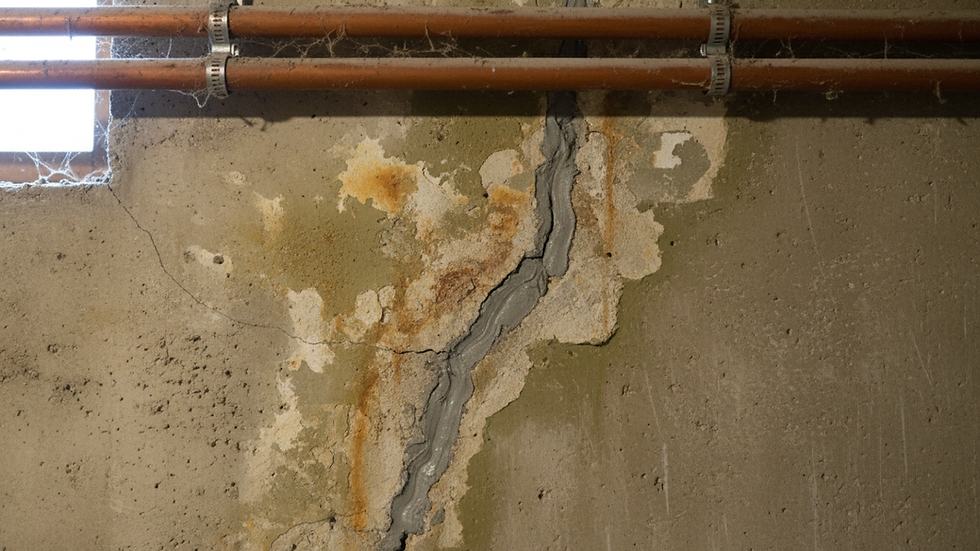
Sealing cracks: Using hydraulic cement or epoxy injections to seal foundation cracks.
Improving drainage: Ensuring gutters, downspouts, and grading direct water away from your home.
Each of these solutions targets a specific cause of seepage. Often, a combination of methods is necessary for long-term success.

Effective Basement Seepage Solutions for Your Home
To protect your basement, you need to take a systematic approach. Start by inspecting your basement and the exterior of your home. Look for signs such as damp walls, musty odors, or visible cracks. Once you identify the problem areas, you can apply the right solutions.
Exterior Waterproofing
Exterior waterproofing is one of the most effective ways to stop water before it reaches your basement walls. This process involves:
Excavating soil around the foundation.
Cleaning and repairing the foundation walls.
Applying a waterproof membrane or coating.
Installing drainage tiles or a French drain system.
Backfilling with gravel and soil to promote drainage.
This method prevents water from penetrating the foundation and reduces hydrostatic pressure against the walls.
Interior Drainage Systems
If exterior waterproofing is not feasible, interior drainage systems can help manage water that enters your basement. These systems include:
Sump pumps: Installed in a sump pit to collect and pump out water.
Interior drainage channels: Installed along the perimeter of the basement floor to direct water to the sump pit.
These systems keep your basement dry by controlling water that seeps inside.
Sealing Cracks and Joints
Small cracks and joints in your foundation can allow water to seep in. Use hydraulic cement or epoxy injections to seal these openings. This is a cost-effective way to reduce seepage and prevent further damage.
Improving Drainage Around Your Home
Proper drainage is essential to prevent water buildup near your foundation. Make sure:
Gutters and downspouts are clean and direct water at least 5 feet away from the foundation.
The ground slopes away from your home with a grade of at least 6 inches over 10 feet.
Landscaping does not trap water near the foundation.
These simple steps can significantly reduce basement seepage.

Will Insurance Pay for Basement Waterproofing?
Many homeowners wonder if their insurance covers basement waterproofing. Generally, standard homeowner’s insurance policies do not cover damage caused by seepage or flooding due to poor maintenance or natural groundwater. Insurance typically covers sudden and accidental water damage, such as from a burst pipe.
Basement waterproofing is considered a maintenance issue. Therefore, it is unlikely that insurance will pay for repairs related to seepage prevention or waterproofing systems. It is important to check your specific policy and consider additional flood insurance if you live in a flood-prone area.
Step-by-Step Guide on How to Fix Basement Seepage
If you want to tackle basement seepage yourself or understand the process before hiring a professional, here is a step-by-step guide:
Inspect your basement: Look for wet spots, mold, or efflorescence (white mineral deposits).
Identify the source: Check for cracks, poor drainage, or plumbing leaks.
Clean gutters and downspouts: Ensure water flows away from your home.
Grade the soil: Adjust landscaping to slope away from the foundation.
Seal cracks: Use hydraulic cement or epoxy to fill cracks.
Install interior drainage: Consider sump pumps or drainage channels if water persists.
Consider exterior waterproofing: For severe seepage, hire professionals to apply waterproof membranes and drainage systems.
For detailed instructions and professional advice on how to fix basement seepage, you can visit trusted resources or consult with local experts.
Maintaining a Dry Basement for Long-Term Protection
Once you have addressed basement seepage, ongoing maintenance is key to keeping your basement dry. Here are some tips:
Regularly inspect your basement for signs of moisture.
Keep gutters and downspouts clean and functional.
Maintain proper grading around your home.
Test sump pumps periodically to ensure they work.
Address plumbing leaks promptly.
By staying proactive, you can prevent future seepage and protect your home’s foundation.
Basement seepage solutions are essential for maintaining a safe and dry home. By understanding the causes and applying practical fixes, you can safeguard your basement from water damage. Whether you choose exterior waterproofing, interior drainage, or simple maintenance steps, taking action now will save you time and money in the future.


Comments