


Protecting Your Home with Professional Basement Waterproofing

Basements are an essential part of many homes, providing extra living space, storage, or utility areas. However, they are also vulnerable to water intrusion, which can cause significant damage over time. Protecting your home with professional basement waterproofing is a smart investment. It safeguards your property, maintains its value, and ensures a dry, healthy environment. In this article, I will walk you through the importance of basement waterproofing, the methods involved, and how to choose the right services for your home.
Why Professional Basement Waterproofing Matters
Water damage in basements is a common problem, especially in areas with heavy rainfall or high water tables. When water seeps into your basement, it can lead to mold growth, structural damage, and unpleasant odors. These issues not only affect your home’s comfort but also its safety and resale value.
Professional basement waterproofing addresses these risks by creating barriers that prevent water from entering. It involves a thorough assessment of your basement’s condition, identifying weak points, and applying effective solutions. This process is more reliable than DIY methods because it uses specialized materials and techniques tailored to your home’s specific needs.
By investing in professional basement waterproofing, you protect your home from costly repairs in the future. It also improves indoor air quality by reducing moisture levels, which is crucial for your family’s health.

Basement wall treated with a waterproofing membrane to prevent water intrusion
Key Techniques in Professional Basement Waterproofing
Professional basement waterproofing uses several proven techniques to keep your basement dry. Understanding these methods can help you make informed decisions when selecting a service provider.
Exterior Waterproofing
This method involves excavating the soil around your foundation to apply waterproof coatings or membranes directly to the outside walls. Exterior waterproofing also includes installing drainage systems like French drains to redirect water away from your home. This approach is highly effective because it stops water before it reaches your basement walls.
Interior Waterproofing
Interior waterproofing focuses on managing water that has already entered the basement. It typically involves installing interior drainage systems along the perimeter of the basement floor. These systems collect water and channel it to a sump pump, which then removes the water from your home. Interior waterproofing is often used when exterior excavation is not feasible.
Crack Repair and Sealing
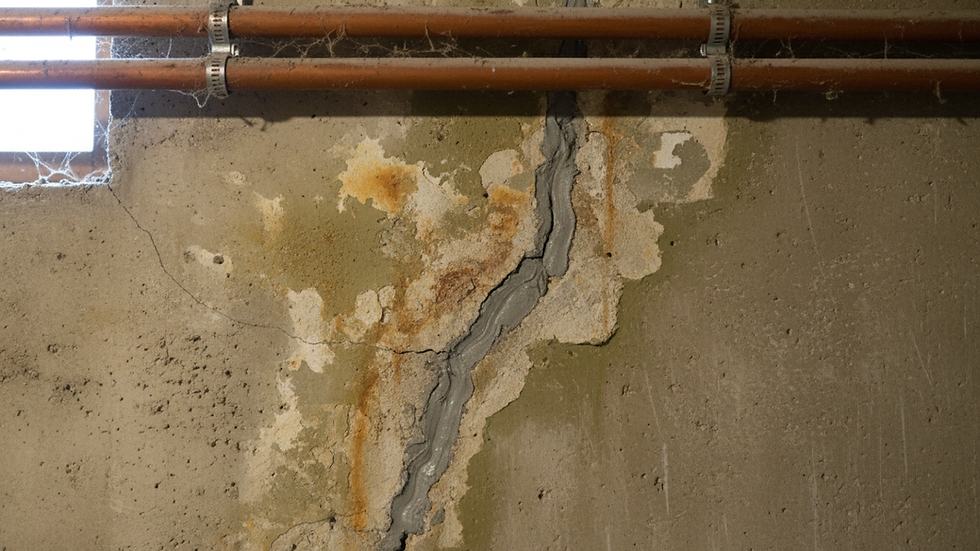
Cracks in basement walls or floors are common entry points for water. Professional waterproofing includes inspecting and repairing these cracks using hydraulic cement or epoxy injections. Sealing these gaps is essential to maintain the integrity of your basement’s waterproofing system.
Vapor Barriers and Dehumidification
In addition to stopping liquid water, controlling moisture vapor is important. Vapor barriers installed on walls and floors prevent moisture from passing through. Using dehumidifiers helps maintain low humidity levels, reducing the risk of mold and mildew.

Sump pump installed to remove water collected by interior drainage system
How to Choose the Right Basement Waterproofing Service
Selecting the right professional for basement waterproofing is crucial. Here are some practical tips to guide you through the process:
Check Experience and Credentials
Look for companies with a proven track record in basement waterproofing. Verify their licenses, insurance, and certifications. Experienced professionals understand local soil and weather conditions, which affect waterproofing needs.
Request a Detailed Inspection and Estimate
A reputable company will perform a thorough inspection of your basement and provide a clear, written estimate. This estimate should outline the recommended methods, materials, timeline, and costs.
Ask About Warranty and Maintenance
Quality waterproofing services come with warranties that cover materials and workmanship. Also, inquire about maintenance tips and follow-up inspections to ensure long-term protection.
Read Reviews and Get References
Customer reviews and references offer insight into the company’s reliability and quality of work. Positive feedback from local homeowners is a good sign.
Consider Local Expertise
Choosing a company familiar with the Chicago area’s climate and soil conditions is beneficial. They will tailor solutions to address specific regional challenges.
For homeowners in the Chicago area, I recommend exploring basement waterproofing services Chicago IL to find trusted professionals who meet these criteria.
Signs Your Basement Needs Waterproofing
Recognizing early signs of water problems can save you from extensive damage. Here are common indicators that your basement may require waterproofing:
Visible Water or Damp Spots
Puddles, wet walls, or damp floors are clear signs of water intrusion.
Musty Odors
Persistent musty smells often indicate mold or mildew caused by excess moisture.
Efflorescence
White, powdery deposits on walls signal water seepage through concrete.
Cracks in Walls or Floors
Structural cracks can allow water to enter and worsen over time.
Peeling Paint or Wallpaper
Moisture behind walls causes paint or wallpaper to bubble and peel.
Rust on Metal Fixtures
Corrosion on pipes or appliances in the basement suggests high humidity or water leaks.
If you notice any of these signs, it is wise to schedule a professional inspection promptly. Early intervention can prevent costly repairs and protect your home’s foundation.
Maintaining a Dry Basement After Waterproofing
Once your basement is professionally waterproofed, maintaining its dryness is essential. Here are practical steps to keep your basement protected:
Keep Gutters and Downspouts Clean
Ensure rainwater is directed away from your foundation by cleaning gutters regularly and extending downspouts.
Grade Your Yard Properly
The ground around your home should slope away from the foundation to prevent water pooling.
Inspect and Repair Cracks Promptly
Regularly check your basement walls and floors for new cracks and seal them immediately.
Use a Sump Pump with Battery Backup
A sump pump removes water efficiently, and a battery backup ensures it works during power outages.
Control Indoor Humidity
Use dehumidifiers and ventilation to keep humidity levels below 60%.
Avoid Storing Items Directly on the Floor
Use shelves or pallets to keep belongings off the basement floor, reducing damage risk if minor water intrusion occurs.
By following these maintenance tips, you extend the life of your waterproofing system and keep your basement dry and safe.
Taking Action to Protect Your Home Today
Protecting your home with professional basement waterproofing is a proactive step that pays off in the long run. It prevents water damage, preserves your home’s structure, and creates a healthier living environment. If you have noticed any signs of moisture or want to safeguard your basement before problems arise, now is the time to act.
Contacting a trusted local expert ensures you receive a tailored solution that fits your home’s unique needs. Remember, investing in professional basement waterproofing is investing in your home’s future.

Dry and finished basement interior showcasing effective waterproofing results
Taking these steps will help you maintain a dry, secure basement and protect your home for years to come.


Comments