


Reliable Methods for Fixing Basement Cracks

Basement cracks are a common issue in many homes, especially in areas with varying soil conditions and weather patterns. These cracks can lead to water intrusion, structural damage, and decreased home value if left untreated. Fixing basement cracks is essential to maintain a dry, safe, and stable foundation. In this post, I will share reliable methods for addressing basement cracks effectively, helping you protect your home and avoid costly repairs down the line.
Understanding the Importance of Fixing Basement Cracks
Before diving into repair methods, it’s important to understand why fixing basement cracks matters. Cracks in your basement walls or floors can allow water to seep in during rain or snowmelt. This moisture can cause mold growth, damage to stored items, and even weaken the foundation over time. Additionally, cracks may indicate shifting soil or foundation settling, which requires prompt attention.
Fixing basement cracks early prevents these problems and preserves your home’s structural integrity. It also improves your living environment by keeping the basement dry and usable. Whether the cracks are hairline or wider, addressing them with the right techniques is key to long-term success.
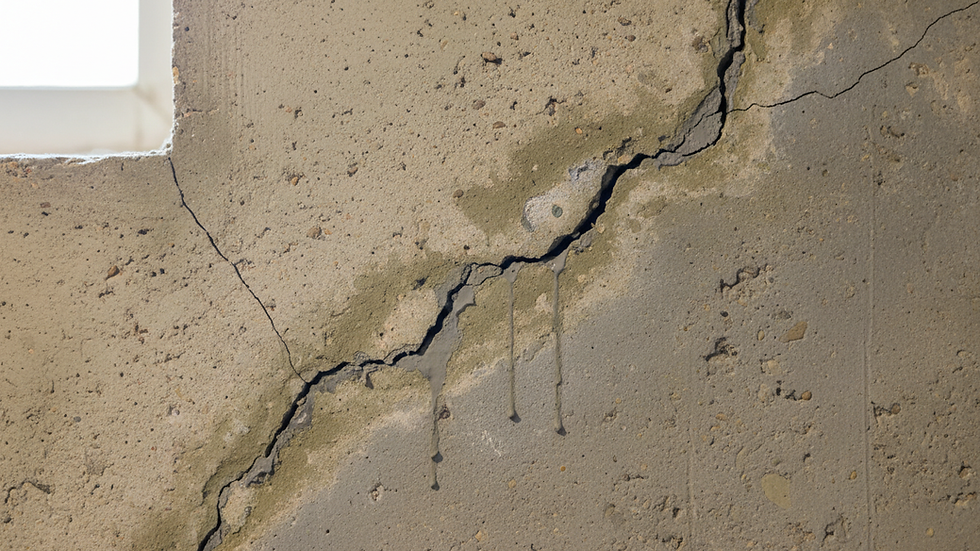
Effective Techniques for Fixing Basement Cracks
There are several reliable methods to fix basement cracks, depending on the crack size, location, and cause. Here are some of the most common and effective techniques:
1. Epoxy Injection
Epoxy injection is a popular method for repairing narrow cracks in basement walls. This process involves injecting a two-part epoxy resin into the crack under pressure. The epoxy bonds the concrete back together, restoring structural strength and sealing the crack against water intrusion.
Best for cracks less than 1/4 inch wide
Provides a permanent, strong repair
Requires professional equipment and expertise
2. Polyurethane Foam Injection
For cracks that are actively leaking water, polyurethane foam injection is an excellent choice. The foam expands inside the crack, filling voids and stopping water flow. Unlike epoxy, polyurethane remains flexible, allowing it to accommodate slight movement in the foundation.
Ideal for wet or leaking cracks
Flexible and water-resistant seal
Can be applied to both vertical and horizontal cracks
3. Hydraulic Cement Patching
Hydraulic cement is a fast-setting material that expands as it cures, making it effective for plugging leaks in basement walls or floors. It is applied directly into the crack and hardens quickly, stopping water from entering.
Suitable for small to medium cracks with active leaks
Quick and easy to apply
Best for temporary or emergency repairs
4. Exterior Waterproofing and Drainage
Sometimes, fixing basement cracks requires addressing the source of water pressure outside the home. Exterior waterproofing involves excavating around the foundation, applying waterproof membranes, and installing drainage systems like French drains or sump pumps.
Prevents water from reaching the foundation
Reduces hydrostatic pressure on basement walls
Often combined with interior crack repairs for best results
5. Carbon Fiber Straps
For structural cracks that indicate foundation movement, carbon fiber straps can reinforce the wall. These straps are bonded to the wall surface and provide additional strength to prevent further cracking or bowing.
Used for structural stabilization
Minimal wall disruption
Long-lasting and corrosion-resistant
Each method has its place depending on the crack’s characteristics. In many cases, a combination of interior crack repair and exterior waterproofing provides the most reliable solution.
How much does it cost to repair a crack in the basement?
The cost of fixing basement cracks varies widely based on the repair method, crack size, and extent of damage. Here are some general cost ranges to consider:
Epoxy Injection: $300 to $800 per crack
Polyurethane Foam Injection: $500 to $1,200 per crack
Hydraulic Cement Patching: $100 to $400 for small repairs
Exterior Waterproofing: $5,000 to $15,000 depending on excavation and drainage needs
Carbon Fiber Straps: $1,000 to $3,000 per wall section
Keep in mind that these are estimates and actual costs depend on your home’s specific conditions. It’s wise to get a professional inspection and multiple quotes before proceeding. Investing in quality repairs now can save thousands in future foundation damage.

Signs You Should Address Basement Cracks Immediately
Not all basement cracks require urgent repair, but some signs indicate immediate action is necessary:
Cracks wider than 1/4 inch or growing over time
Water actively leaking through cracks
Bowing or bulging walls near the crack
Cracks accompanied by sticking doors or windows
Musty odors or visible mold near the crack
If you notice any of these, it’s important to schedule a professional evaluation. Early intervention can prevent more serious foundation problems and costly repairs.
Tips for Preventing Basement Cracks in the Future
While some cracks result from natural settling, you can take steps to minimize the risk of new cracks forming:
Maintain proper grading around your home to direct water away from the foundation
Clean gutters and downspouts regularly to prevent water buildup near the basement walls
Avoid planting large trees or shrubs too close to the foundation
Monitor basement humidity and use dehumidifiers if needed
Schedule regular foundation inspections, especially after heavy rains or freezing winters
By staying proactive, you can protect your basement and foundation from damage and keep your home safe and dry.
Final Thoughts on Fixing Basement Cracks
Fixing basement cracks is a critical part of maintaining a healthy home foundation. Whether you choose epoxy injection, polyurethane foam, hydraulic cement, or exterior waterproofing, the key is to act promptly and use reliable methods. Proper repair not only stops water intrusion but also strengthens your foundation and preserves your home’s value.
If you want to learn more about effective basement crack repair, consider consulting with a trusted local expert. They can assess your situation and recommend the best approach tailored to your home’s needs.
Taking care of basement cracks today means peace of mind tomorrow. Protect your investment and enjoy a dry, secure basement for years to come.


Comments