


Repairing Foundation Leaks: Effective Foundation Leak Solutions

Foundation leaks can cause serious problems if left untreated. Water intrusion weakens the structure, damages interiors, and creates an unhealthy environment. I want to share practical, effective foundation leak solutions that can help protect your home. These solutions are designed to address common causes of leaks and provide long-lasting results.
Understanding Foundation Leak Solutions
Foundation leak solutions vary depending on the source and severity of the leak. The first step is identifying where the water is coming from. Common sources include cracks in the foundation walls, poor drainage around the home, and hydrostatic pressure pushing water through the foundation.
Once the source is identified, the right solution can be applied. Some common foundation leak solutions include:
Exterior waterproofing: Applying waterproof coatings or membranes to the outside of the foundation to block water.
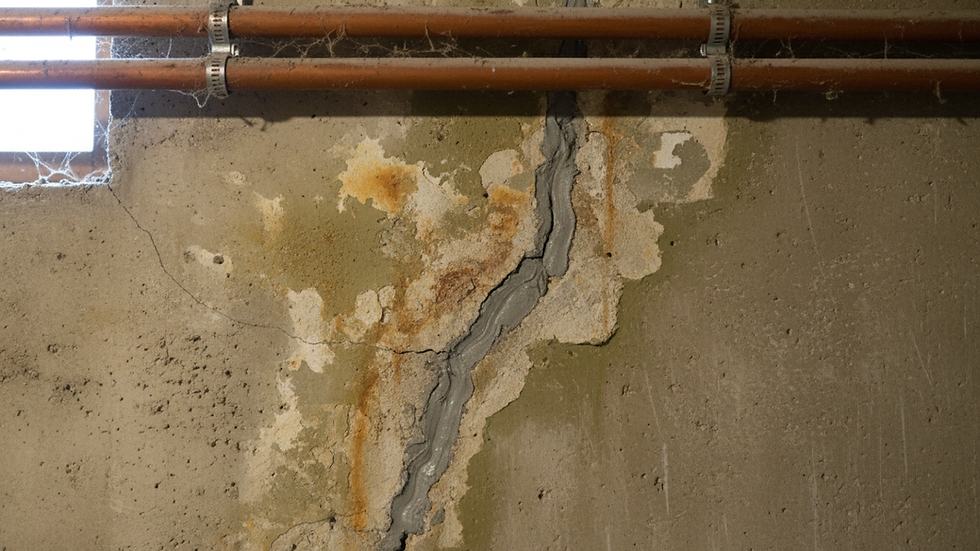
Interior sealants: Using epoxy or polyurethane injections to seal cracks from the inside.
Drainage improvements: Installing or repairing gutters, downspouts, and French drains to direct water away from the foundation.
Sump pumps: Installing pumps in basements to remove water that accumulates near the foundation.
Each of these solutions targets a specific cause of leaks. Often, a combination of methods is necessary for the best results. For example, sealing cracks inside the basement while improving exterior drainage can prevent future leaks.

Signs You Need Foundation Leak Solutions
Recognizing the signs of foundation leaks early can save you time and money. Here are some common indicators that your foundation may be leaking:
Damp or wet basement walls or floors
Musty odors or mold growth in the basement
Cracks in basement walls or floors
Efflorescence (white, powdery residue) on foundation walls
Water pooling near the foundation after rain
If you notice any of these signs, it is important to act quickly. Ignoring leaks can lead to structural damage and costly repairs. A professional inspection can confirm the source of the leak and recommend the best foundation leak solutions.
How much does it cost to fix a foundation leak?
The cost to fix a foundation leak depends on several factors, including the size of the leak, the repair method, and the condition of the foundation. Here is a general breakdown of costs you might expect:
Minor crack sealing: $500 to $1,500
This involves injecting sealants into small cracks inside the basement.
Exterior waterproofing: $5,000 to $15,000
Excavating around the foundation and applying waterproof membranes is more expensive but highly effective.
Drainage system installation: $3,000 to $10,000
Adding or repairing gutters, downspouts, and French drains helps prevent water buildup.
Sump pump installation: $1,000 to $3,000
Pumps remove water from the basement and are often combined with other solutions.
Prices vary based on the size of your home and the extent of the problem. It is best to get a detailed estimate from a trusted contractor who understands local soil and weather conditions.
Steps to Perform Foundation Leak Repair
When it comes to foundation leak repair, taking a systematic approach is key. Here are the steps I recommend:
Inspect the foundation
Look for visible cracks, water stains, and signs of moisture. Use a flashlight and moisture meter if available.
Improve drainage
Ensure gutters and downspouts direct water at least 5 feet away from the foundation. Consider installing French drains if water pools near the house.
Seal cracks
Use epoxy or polyurethane injections to fill cracks inside the basement. These materials expand and create a waterproof barrier.
Apply exterior waterproofing
If leaks persist, excavate around the foundation and apply a waterproof membrane or coating. This prevents water from reaching the foundation walls.
Install a sump pump
For homes with high water tables or frequent flooding, a sump pump can remove water before it causes damage.
Monitor and maintain
Regularly check your foundation and drainage systems. Clean gutters and downspouts, and repair any new cracks promptly.
Following these steps can help you effectively manage foundation leaks and protect your home.

Preventing Future Foundation Leaks
Prevention is always better than repair. Here are some practical tips to reduce the risk of foundation leaks:
Maintain proper grading: The ground around your home should slope away from the foundation to prevent water pooling.
Keep gutters clean: Blocked gutters cause water overflow near the foundation.
Inspect plumbing: Fix leaks in pipes that run near or through the foundation.
Control indoor humidity: Use dehumidifiers in basements to reduce moisture buildup.
Regular inspections: Schedule annual foundation inspections to catch problems early.
By following these preventive measures, you can minimize the chances of foundation leaks and maintain a dry, safe home.
Final Thoughts on Foundation Leak Solutions
Addressing foundation leaks promptly is essential for maintaining your home’s structural integrity. Effective foundation leak solutions involve identifying the source, applying the right repair methods, and preventing future issues. Whether you choose interior crack sealing, exterior waterproofing, or drainage improvements, the key is to act early and stay vigilant.
If you want to learn more about foundation leak repair, consider consulting with professionals who understand the unique challenges of homes in the Chicago area. Taking these steps will help you protect your investment and enjoy peace of mind knowing your home is secure and dry.


Comments