


Understanding Crawl Space Encapsulation Tips for Chicago Homes

Crawl space encapsulation is an important step in protecting your home’s foundation and improving indoor air quality. In Chicago, where weather conditions can be harsh and moisture problems common, encapsulating your crawl space can prevent many issues before they start. I want to share clear, practical information about crawl space encapsulation and why it matters for homes in this area.
What Is Crawl Space Encapsulation?
Crawl space encapsulation involves sealing the crawl space under your home to control moisture and improve air quality. This process typically includes installing a heavy-duty vapor barrier on the floor and walls of the crawl space, sealing vents, and sometimes adding a dehumidifier or insulation.
The goal is to create a dry, clean environment that protects your home’s structure and reduces the risk of mold, wood rot, and pest infestations. Encapsulation also helps maintain consistent temperatures, which can improve energy efficiency.

Crawl Space Encapsulation Tips for Chicago Homes
When considering crawl space encapsulation, there are several tips to keep in mind to ensure the job is done right and provides lasting benefits.
Inspect the Crawl Space First
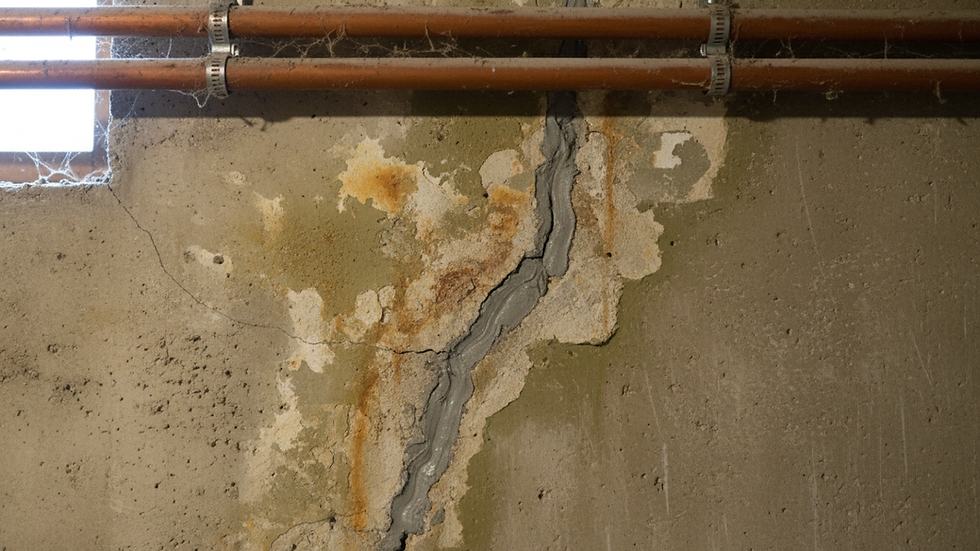
Before starting, inspect the crawl space for any existing damage, standing water, or mold. Address any drainage or foundation issues first. Encapsulation will not fix structural problems but will protect against moisture once those are resolved.
Choose the Right Vapor Barrier
Use a thick, durable vapor barrier designed for crawl spaces. In Chicago’s climate, a 20-mil polyethylene barrier is recommended. It should cover the entire floor and extend up the walls, sealed tightly at seams and edges.
Seal All Vents and Openings
Traditional crawl spaces have vents to allow airflow, but these can let in moisture and cold air. Sealing vents is a key part of encapsulation. This helps control humidity and temperature inside the crawl space.
Consider Adding a Dehumidifier
Even with a vapor barrier, some moisture can remain. Installing a dehumidifier designed for crawl spaces helps maintain low humidity levels year-round, preventing mold growth and wood decay.
Insulate Properly
Insulation can be added to the crawl space walls or the underside of the floor above. This helps regulate temperature and reduce energy costs. Use materials that resist moisture and mold.
Maintain Your Encapsulation
Regularly check the crawl space for any tears in the vapor barrier or signs of moisture. Prompt repairs keep the encapsulation effective.
Why Crawl Space Encapsulation Matters in Chicago
Chicago’s climate presents unique challenges for crawl spaces. The city experiences cold winters, humid summers, and frequent precipitation. These conditions can cause moisture to accumulate under your home, leading to several problems:
Mold and Mildew Growth: Moisture encourages mold, which can affect indoor air quality and cause health issues.
Wood Rot and Structural Damage: Excess moisture damages wooden beams and flooring supports.
Pest Infestations: Damp crawl spaces attract pests like termites and rodents.
Energy Loss: Unsealed crawl spaces allow cold air in winter and hot air in summer, increasing heating and cooling costs.
Encapsulation creates a controlled environment that protects your home from these risks. It also improves comfort by reducing drafts and musty odors.

How to Choose a Crawl Space Encapsulation Service
Selecting the right professional for crawl space encapsulation is crucial. Here are some factors to consider:
Experience and Reputation: Look for companies with proven experience in crawl space encapsulation, especially in the Chicago area.
Comprehensive Inspection: A good service will inspect your crawl space thoroughly before recommending solutions.
Quality Materials: Ensure they use high-quality vapor barriers and sealing materials suitable for local conditions.
Warranty and Support: Choose a company that offers warranties on their work and provides ongoing support.
Transparent Pricing: Get detailed estimates and understand what is included in the service.
If you want to learn more or schedule an inspection, consider contacting a trusted local provider specializing in crawl space encapsulation Chicago IL.
Long-Term Benefits of Crawl Space Encapsulation
Investing in crawl space encapsulation offers many long-term benefits for your home:
Improved Indoor Air Quality: Sealing the crawl space reduces allergens and mold spores entering your living space.
Lower Energy Bills: Encapsulation helps maintain stable temperatures, reducing heating and cooling costs.
Increased Home Value: A dry, well-maintained crawl space is attractive to buyers and can increase resale value.
Reduced Maintenance Costs: Preventing moisture damage lowers the need for costly repairs.
Enhanced Comfort: Your home will feel warmer in winter and cooler in summer without drafts or damp smells.
By taking these steps, you protect your investment and create a healthier living environment.
Taking the Next Step for Your Home
If you have a crawl space, now is the time to consider encapsulation. It is a practical, effective way to protect your home from moisture-related problems common in Chicago. Start by inspecting your crawl space or scheduling a professional assessment. From there, follow the tips outlined here to ensure a successful encapsulation project.
Remember, a properly encapsulated crawl space is a key part of a dry, safe, and energy-efficient home. Taking action today can save you money and stress in the future.
Thank you for reading this guide on crawl space encapsulation tips for Chicago homes. I hope this information helps you make informed decisions about protecting your home’s foundation and improving your indoor environment.


Comments